Turf Design Consultation Overview
Turf design consultation in The Woodlands is a more specialized service than it is in most Houston-area markets, because the design environment here is genuinely more complex. The Architectural Standards Committee reviews landscaping changes across most of the community's residential and commercial properties. Village design covenants specify acceptable materials and surface treatments for different areas of each lot. Tree protection requirements — rooted in the forest preservation principles George Mitchell established as the community's founding ethos — constrain where and how deep any landscaping modification can proceed.
Artificial Grass of The Woodlands provides design consultation that takes all of those constraints seriously before any installation work is scoped or scheduled. We have worked across all nine village communities, understand where the ASC review requirements are most strict, and know how to design synthetic turf configurations that pass covenant review rather than creating compliance problems after installation.
Design consultation is most valuable for property owners who have a clear goal — a backyard turf renovation, a putting green addition, a pet zone transformation, or a commercial frontage upgrade — but want to think through the configuration, material selection, phasing, and ASC implications before committing to a scope. The consultation process surfaces constraints early, aligns expectations with site conditions, and produces a clear project definition that the installation can be planned against.
The north corridor's diverse property types also create consultation needs that are not purely residential. Commercial property managers planning multi-phase landscape conversions across office campus grounds, HOA boards evaluating common area turf replacements across multiple village zones, and private developers planning synthetic turf integration into new residential construction all benefit from upfront design planning that considers the full scope, phasing, and covenant requirements before any work begins.
Consultation outcomes typically include a recommended project scope, material specification, phasing plan, ASC submission guidance where applicable, and a cost range estimate that allows the property owner or manager to make a fully informed decision about proceeding.
What Is Included in Turf Design Consultation
Design consultation engagements are structured around the property owner's planning goals and the specific constraints of the site and community. The core components below apply to most consultation projects.
- Property Walk and Site Documentation - Evaluate the full property in the context of the proposed turf project — drainage patterns, grade behavior, canopy exposure, root zones, access constraints, and existing hardscape and landscape features.
- ASC and Covenant Review - Review applicable Architectural Standards Committee requirements and deed restriction covenants for the property's village location and proposed installation zone, and advise on what review or approval steps apply.
- Use and Performance Goal Alignment - Document what the property owner needs the turf system to do — aesthetics, pet use, athletic practice, drainage improvement, reduced maintenance — and align the design recommendation to those specific goals.
- Zone Configuration and Material Recommendation - Recommend turf zone layout, product specification, infill approach, and edge treatment based on the site conditions, use goals, and design standards that apply to the property.
- Phasing and Budget Framework - Develop a phasing plan for projects that need to be staged across time or budget cycles, with a cost range estimate for each phase that allows realistic planning.
- ASC Submission Guidance - Provide guidance on what documentation the ASC submission for a proposed installation typically requires and assist in preparing the submission package where requested.
- Written Consultation Summary - Provide a written summary of recommendations, design parameters, phasing plan, and next steps so the property owner has a clear planning reference to work from.
Process Steps for Turf Design Consultation
Design consultations follow a structured process that moves from site understanding through design recommendation to actionable planning output.
1. Initial Consultation and Goal Documentation
We discuss the property owner's project goals, timeline, budget parameters, and any specific constraints or concerns they are aware of before scheduling the site visit.
2. Site Walk and Assessment
We walk the property, evaluate drainage, canopy conditions, grade, tree root zones, and existing hardscape, and document the site conditions that will shape the design recommendation.
3. ASC and Covenant Research
We confirm the applicable ASC requirements and covenant standards for the property's village and installation zone, and identify any approval steps that need to be completed before installation.
4. Design Recommendation Development
We develop a zone configuration, material specification, phasing plan, and cost range estimate based on the site assessment, use goals, and covenant requirements.
5. Consultation Summary and Next Steps
We deliver the written consultation summary, review it with the property owner, answer questions, and define clear next steps for moving from consultation to installation planning.
Design Consultation Applications Across The Woodlands and North Corridor
Design consultation serves property owners and managers who want a planned, informed approach to turf investment rather than a reactive installation decision.
Residential Multi-Zone Planning in ASC Villages
Homeowners in Sterling Ridge, Alden Bridge, and Carlton Woods planning turf additions across front yard, rear yard, pet zone, and putting green areas benefit from design consultation that phases the project coherently and addresses ASC requirements for each zone before any work begins.
HOA Common Area Landscape Conversion
HOA boards across The Woodlands villages evaluating turf conversion in multiple common area zones need a phased design plan that fits within budget cycles and meets community aesthetic standards.
Commercial Property Landscape Planning
Office campus managers along Research Forest Drive and commercial property owners in the Hughes Landing and Town Center corridor planning multi-phase turf conversions benefit from design consultation that sequences the work around operations and ASC requirements.
New Construction Landscape Integration
Builders and homeowners installing synthetic turf as part of new residential construction in College Park, Creekside Park, and emerging communities need design consultation that integrates turf into the landscape plan before grading is complete.
Why Property Owners in The Woodlands Choose Artificial Grass of The Woodlands for Design Consultation
Design consultation with Artificial Grass of The Woodlands is grounded in specific knowledge of this community's design governance environment. We understand ASC review processes, village covenant requirements, tree protection standards, and the drainage and canopy conditions that affect how turf performs on Woodlands-area properties. That specificity makes the consultation useful rather than generic — property owners leave with a plan that is actually executable within the constraints of their specific lot and village.
Pricing Factors for Turf Design Consultation
Consultation scope varies based on property complexity, the number of zones under consideration, and whether ASC submission support is part of the engagement.
Property Size and Zone Count
Larger properties with multiple proposed turf zones require more site assessment time and more complex phasing and recommendation work.
ASC Review Complexity
Properties with multiple installation zones that each require separate ASC review, or properties in villages with stricter covenant review standards, require more research and submission preparation work.
Phasing Plan Complexity
Projects with multiple phases spread across several budget or calendar cycles require more detailed phasing planning than single-phase installations.
Commercial versus Residential Scope
Commercial properties typically have more stakeholders, more complex access and operational constraints, and more extensive covenant review requirements than residential consultations.
ASC Submission Assistance
When the engagement includes preparation of ASC submission documentation rather than just guidance on what is required, the scope and cost of the consultation increases accordingly.
Written Summary Documentation Level
Basic consultation summaries covering zone configuration and material recommendation cost less than comprehensive planning documents that include detailed phasing schedules, cost breakdowns, and full submission package preparation.
Service Area Coverage
We provide turf design consultation across The Woodlands, TX, including all nine villages, and extend service to Spring, Shenandoah, Conroe, Tomball, Magnolia, Oak Ridge North, Porter, Humble, Cypress, Montgomery, Willis, Pinehurst, Cut and Shoot, and Jersey Village.
Related Services
Residential Artificial Turf Installation
Durable landscape turf systems for front yards, backyards, pool zones, and everyday family use.
Learn More
Commercial Artificial Turf Installation
Synthetic turf planning and installation for office, retail, and multi-site commercial properties.
Learn More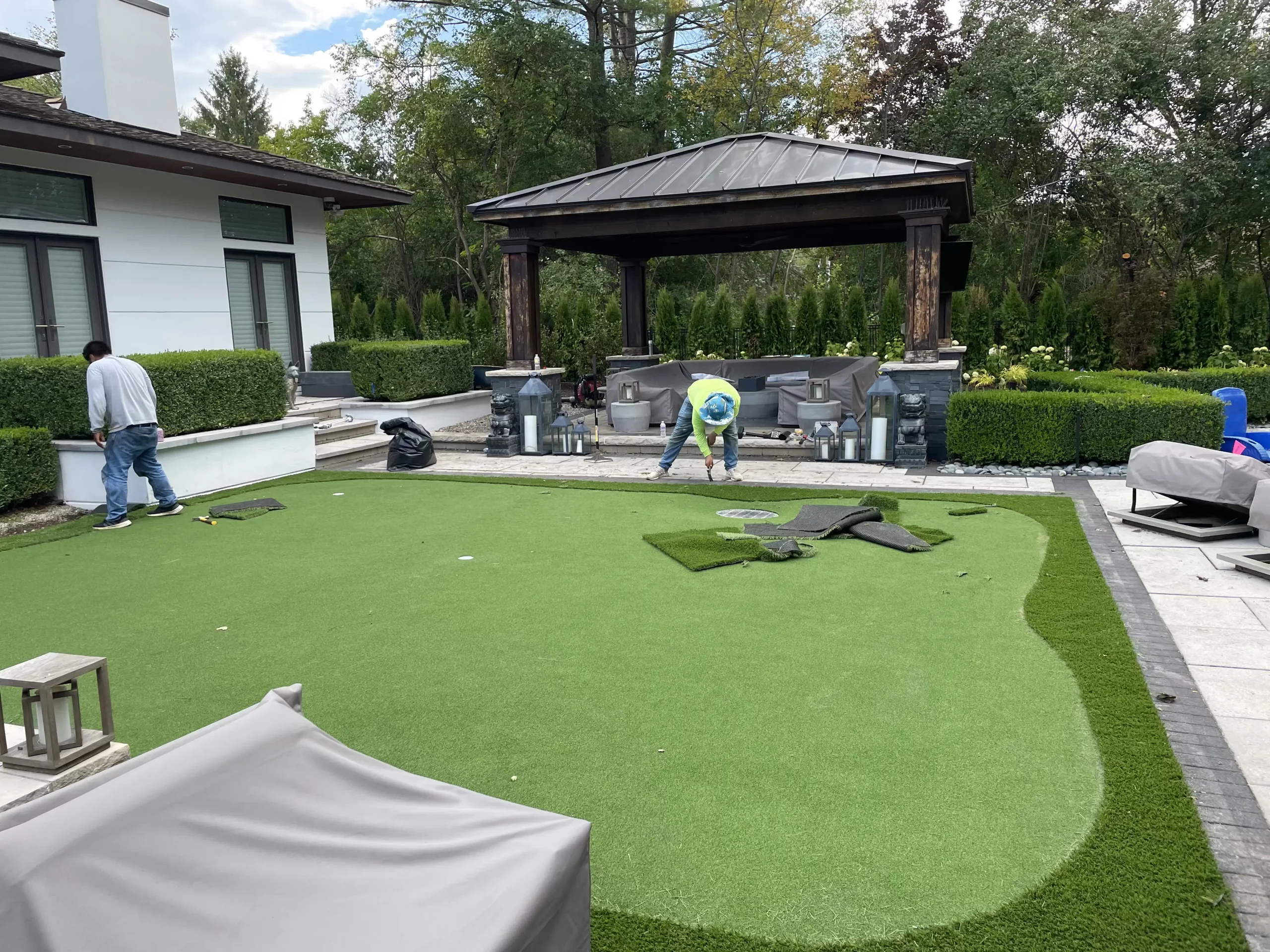
Artificial Putting Green Installation
Custom putting green installations with contour planning, fringe zones, and practical backyard practice flow.
Learn More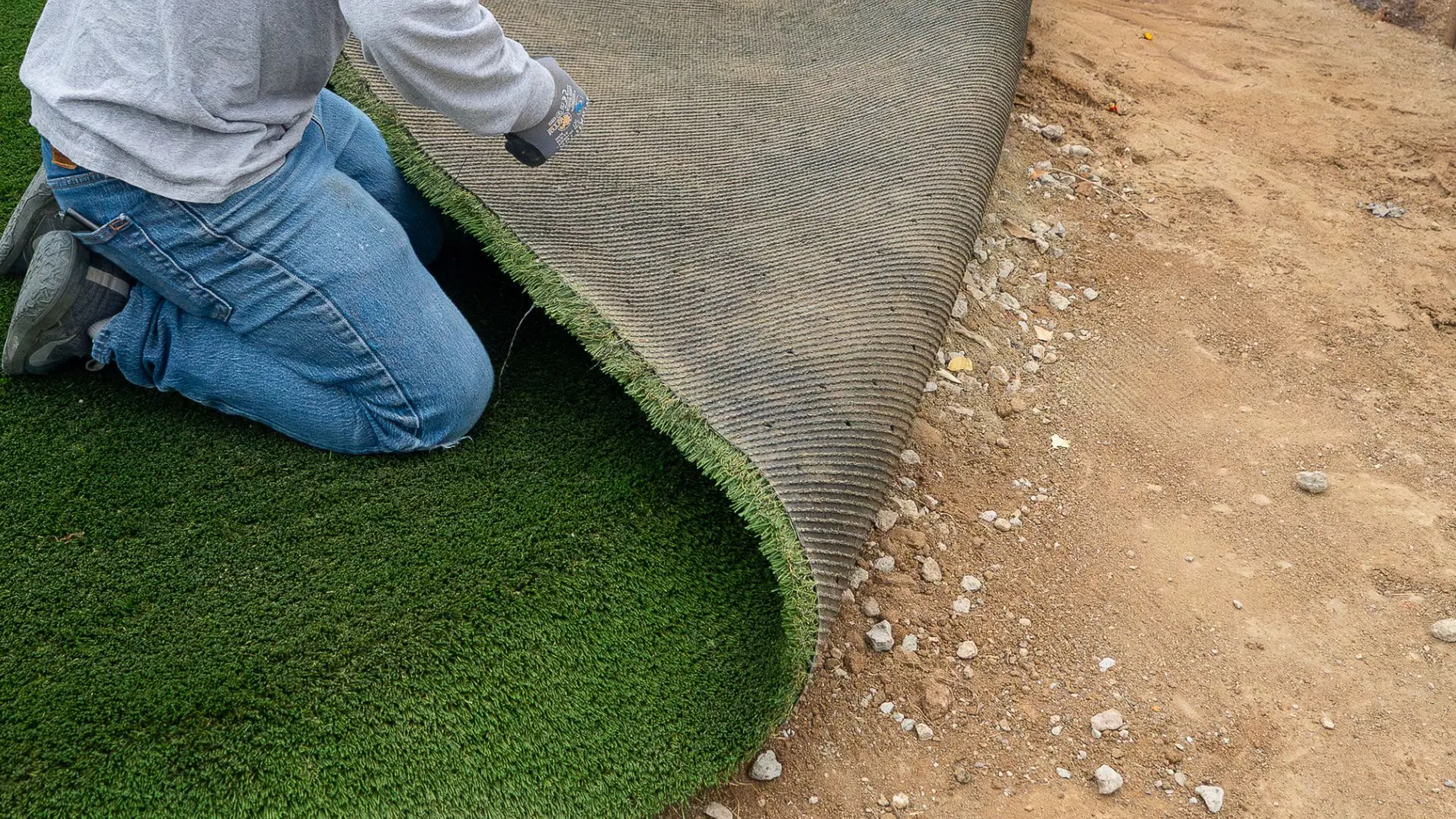
Turf Drainage and Base Corrections
Drainage-focused remediation for puddling, runoff pressure, base instability, and surface pooling problems.
Learn MoreFrequently Asked Questions About Turf Design Consultation
Do I need ASC approval before installing synthetic turf at my Woodlands property?
It depends on your village, the installation zone on your lot, and the visibility of the installation from streets and common areas. Requirements vary significantly between villages and between front-yard and rear-yard installations. Design consultation confirms the applicable requirements for your specific property before any work is planned.
What does the ASC typically look for when reviewing synthetic turf applications?
The ASC typically evaluates material appearance, edge treatment, compatibility with surrounding landscape, and whether the installation is visible from street or greenbelt perspectives. Some villages also have specific restrictions on synthetic turf in front-facing areas. We advise on what the ASC in your village has historically reviewed and what the submission should address.
Can I get a consultation before I have a specific project in mind?
Yes. Exploratory consultations that help property owners understand what is possible within their lot constraints, ASC requirements, and budget parameters are a common engagement. Those conversations often produce a clearer project vision than starting directly with an installation quote.
How long does the consultation process typically take?
A standard residential consultation — site walk, design recommendation, and written summary — typically spans one to two weeks from initial contact to summary delivery. Commercial and multi-zone consultations take longer based on scope complexity.
Can the consultation include a budget estimate for the installation?
Yes. Cost range estimates are a standard output of the consultation, organized by phase for projects that will be staged across time. These are estimates rather than final quotes, which require a full installation scope review, but they are specific enough to use for budget planning.
Is there a fee for the consultation?
Consultation structure and fee arrangements vary based on engagement scope. Contact us to discuss your project and we will outline the consultation format and associated costs based on what your property and goals require.