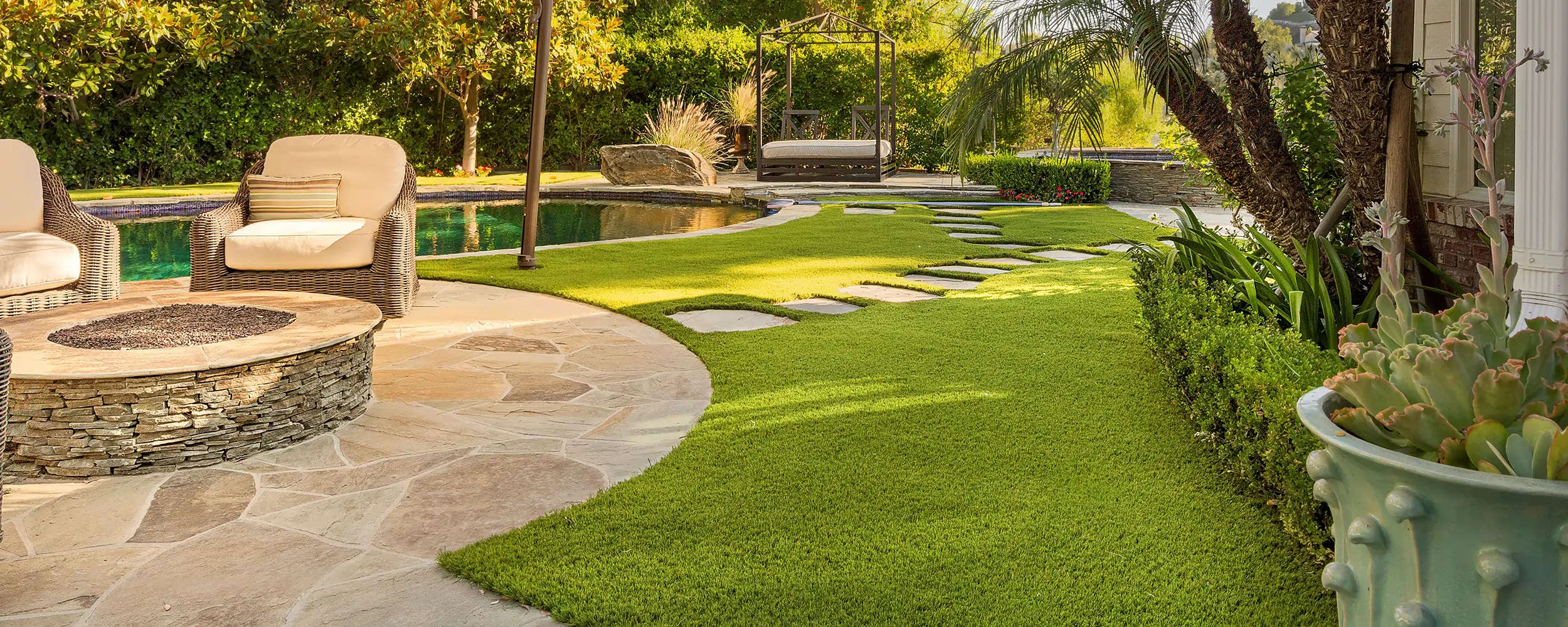
Residential Artificial Turf Installation Overview
Residential turf installation in The Woodlands is not a straightforward swap of live grass for synthetic surface. The community George Mitchell established across nine distinct villages was designed with forest preservation at its core — tens of thousands of acres of protected woodland, strict deed restrictions enforced by the Architectural Standards Committee, and design covenants that govern everything from fence materials to groundcover presentation. Homeowners who want synthetic turf need to understand how their ASC village fits into that picture, and they need an installation team that knows the difference between a Grogan's Mill rear yard with mature water oak coverage and a Sterling Ridge front yard that faces a street tree corridor with a very different drainage pattern.
Artificial Grass of The Woodlands plans residential installations around those realities. We review covenant requirements before recommending any surface configuration, confirm that tree root protection zones are respected during excavation, and route drainage to work with the natural grade rather than against it. The dense loblolly pine canopy that gives The Woodlands its character also produces needle fall, acorn drop, and shade patterns that synthetic turf systems need to be designed around — not ignored.
Residential projects in our service area include front lawn replacements in Cochran's Crossing, backyard activity zones in Alden Bridge and Indian Springs, pool surrounds in Carlton Woods and College Park, and pet runs across a range of village lot configurations. Each project starts with a property-specific scope review that covers access, drainage, grade, tree proximity, and what the homeowner actually needs the surface to do — whether that is daily family use, a low-maintenance front elevation, or a defined dog run that keeps the rest of the yard clean.
Families relocating to The Woodlands for the Conroe ISD, Tomball ISD, or Magnolia ISD school districts frequently inherit mature-landscape lots where live grass has already struggled under existing canopy shade. Synthetic turf is often the practical solution for shaded rear yards where nothing grows reliably — but only if the base is engineered correctly for that shade-induced moisture retention environment. Our residential process addresses that specific condition as a standard planning item.
What Is Included in Residential Artificial Turf Installation
Residential scopes are customized by yard configuration, but the delivery structure is consistent so homeowners know exactly what to expect from first visit through final inspection.
- ASC and Covenant Review - Confirm that the planned installation meets Architectural Standards Committee requirements for the homeowner's specific village before any work is scoped or scheduled.
- Site Walk with Drainage and Tree Assessment - Walk the property to map grade flow, identify tree root protection radii, document existing drainage paths, and confirm access for equipment and material delivery.
- Base Engineering for Canopy Conditions - Design subgrade depth and compaction approach based on whether the install area sits under partial or full canopy shade, which affects moisture retention and base stability requirements.
- Material Selection for Residential Use Pattern - Choose turf pile height, blade architecture, and infill type based on whether the yard will see daily child use, pet traffic, occasional entertaining, or primarily aesthetic function.
- Installation with Edge and Transition Finishing - Place, cut, seam, and infill panels to professional standards with precision transitions at concrete, decking, planting beds, fencing, and pool coping where applicable.
- Homeowner Walkthrough and Care Guidance - Review the finished surface with the homeowner, explain what seasonal maintenance looks like given the property's specific canopy and use pattern, and document any follow-up items.
- Written Maintenance Reference - Provide a care reference sheet that covers debris clearing frequency, grooming approach, and what to watch for at seams and edges through seasonal ground movement cycles.
Process Steps for Residential Artificial Turf Installation
Residential installations follow a structured sequence that keeps homeowners informed and prevents decision gaps from creating quality problems at the finish stage.
1. Property Walk and ASC Verification
We review the installation area, check ASC covenant requirements for the homeowner's village, and document site conditions including drainage, grade, tree proximity, and access.
2. Scope and Material Confirmation
Installation scope, turf product selection, and edge detailing approach are confirmed with the homeowner before any material is ordered or work scheduled.
3. Sod Removal and Base Preparation
Existing vegetation is removed, subgrade is excavated to the appropriate depth for site conditions, and base material is compacted to the specified density.
4. Turf Placement, Seaming, and Infill
Panels are laid with grain direction aligned, cut to fit the yard geometry, seamed and secured, and infilled to the correct depth for the intended use pattern.
5. Finish Detail and Homeowner Review
Edge transitions are finished, the surface is broomed and inspected, and the homeowner walks the completed area with us to confirm the result before we close out the job.
Residential Applications Across The Woodlands Villages
Homeowners across The Woodlands villages and surrounding communities request residential turf for a range of yard configurations and lifestyle needs.
Front Yard Replacements
Homes in Panther Creek, Cochran's Crossing, and Grogan's Mill with front-facing lawn areas under street tree shade benefit from synthetic turf that holds consistent appearance without irrigation or mowing demands.
Backyard Activity and Play Zones
Alden Bridge and Indian Springs families with children enrolled in Conroe ISD schools often convert rear yards to synthetic turf to create a durable, clean play surface that stands up to daily use.
Pool Surrounds and Outdoor Living Areas
Carlton Woods and College Park properties with pools and outdoor entertaining areas frequently request turf surrounds that are slip-resistant, drain quickly, and look intentional alongside deck and coping materials.
Shaded Rear Yards Under Canopy Cover
The Woodlands forest canopy that is the community's defining feature creates significant shade in many rear yards where live grass simply will not thrive. Synthetic turf engineered for shaded base conditions solves this without removing protected trees.
Why Woodlands Homeowners Choose Artificial Grass of The Woodlands
Homeowners across the nine villages choose Artificial Grass of The Woodlands because we understand the community they live in. We know that ASC covenant compliance is non-negotiable, that tree root protection matters as much as surface finish, and that the dense canopy creating shade problems is also what makes The Woodlands worth living in. Our residential installations are designed to work inside those constraints rather than ignore them — which is why our projects hold up not just aesthetically but structurally through years of north Houston weather cycles.
Pricing Factors for Residential Artificial Turf Installation
Residential project costs depend on yard configuration, soil conditions, and what the installation needs to accomplish. The most significant variables are listed below.
Yard Area and Shape Complexity
Larger yards and irregularly shaped areas with multiple planting beds, tree wells, or hardscape interruptions require more material and more precision cutting labor.
Canopy and Root Conditions
Yards under significant loblolly pine or hardwood canopy often have root-dense subgrade that requires careful excavation to respect tree protection zones while achieving the required base depth.
Existing Sod Removal and Disposal
Sod depth and density vary significantly across The Woodlands. Heavy organic matter accumulation under mature trees creates more removal work than typical suburban lawn installations.
Base Correction for Drainage Issues
Properties with clay subgrade or drainage patterns that direct water toward the house require additional base engineering to ensure the synthetic turf does not create pooling problems.
Turf Product and Infill Selection
Pile height, blade architecture, and infill type are chosen to match the use pattern and site conditions. Products appropriate for shaded yards in canopy-heavy lots differ from those suited to sun-exposed front lawn replacements.
Edge and Transition Detailing Scope
Yards with pool coping, extensive planting bed borders, retaining walls, or fence transitions require more precision edge work than simple perimeter installations.
Service Area Coverage
We provide residential artificial turf installation across The Woodlands villages including Alden Bridge, Sterling Ridge, Indian Springs, Cochran's Crossing, Panther Creek, Grogan's Mill, Creekside Park, College Park, and Carlton Woods, and extend service to Spring, Shenandoah, Conroe, Tomball, Magnolia, Oak Ridge North, Porter, Humble, Cypress, Montgomery, Willis, Pinehurst, Cut and Shoot, and Jersey Village.
Related Services
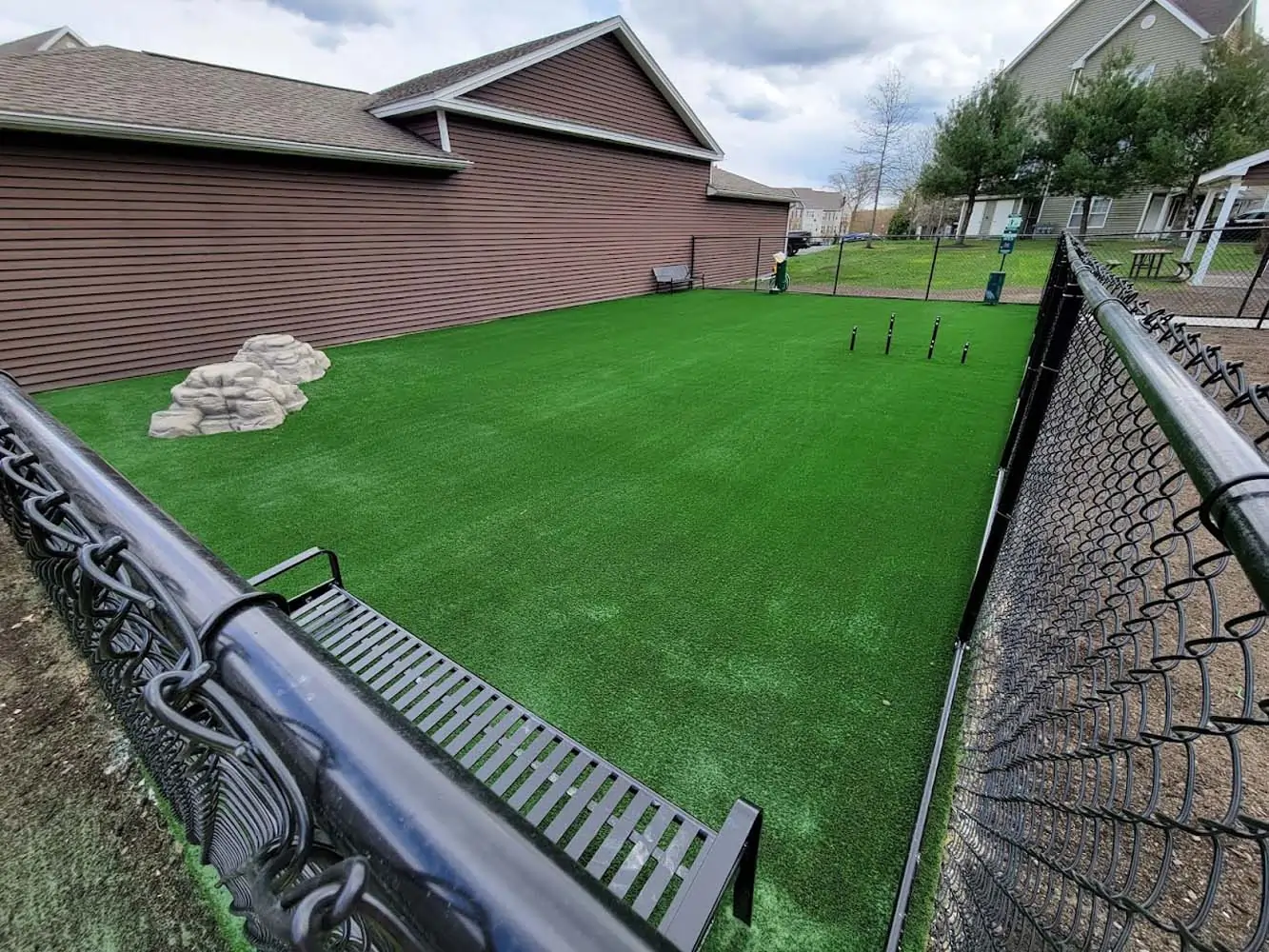
Pet-Friendly Artificial Turf Installation
Pet-focused turf layouts with odor-control planning, rinse-through drainage, and traffic-ready surfaces.
Learn More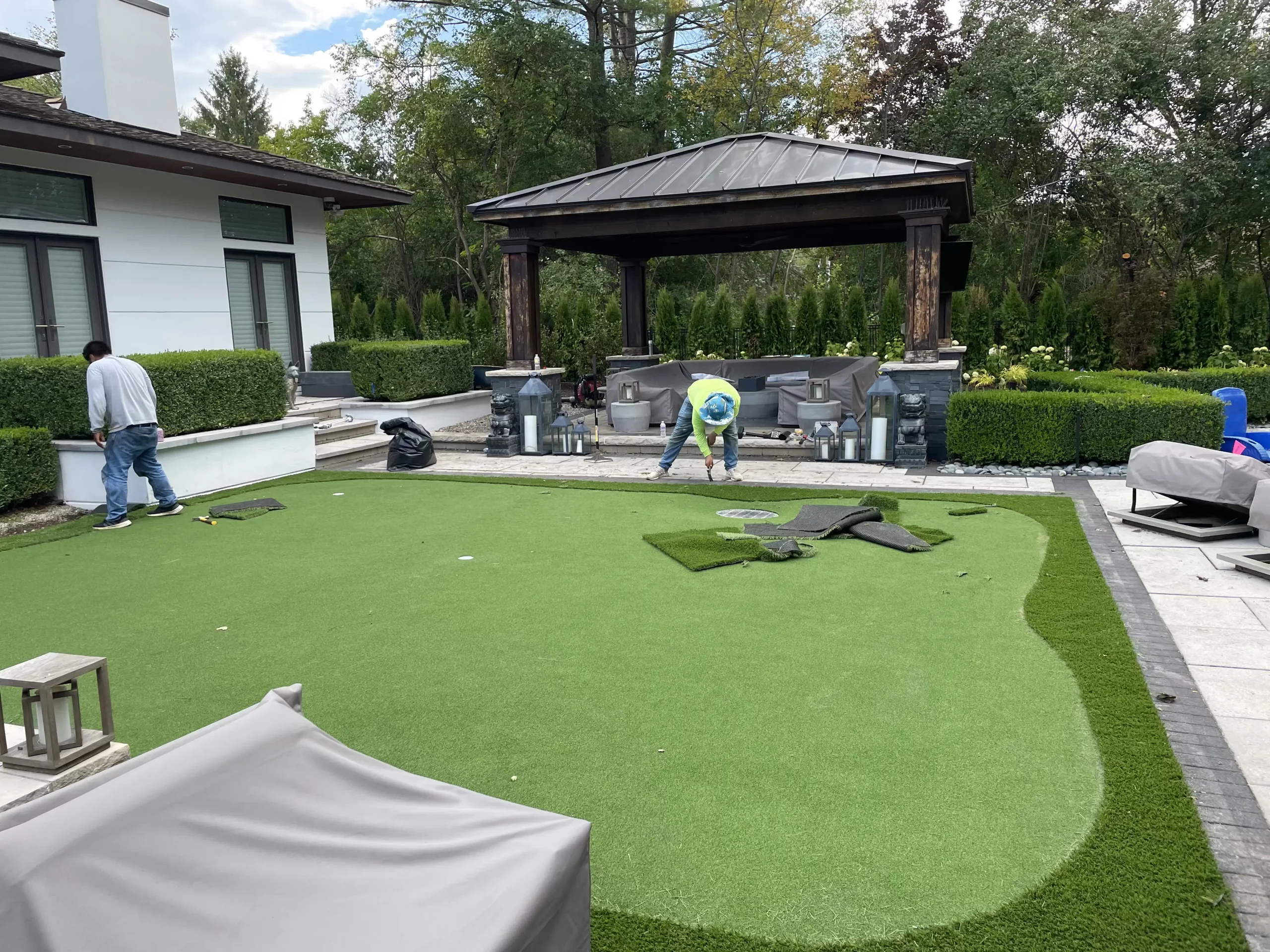
Artificial Putting Green Installation
Custom putting green installations with contour planning, fringe zones, and practical backyard practice flow.
Learn More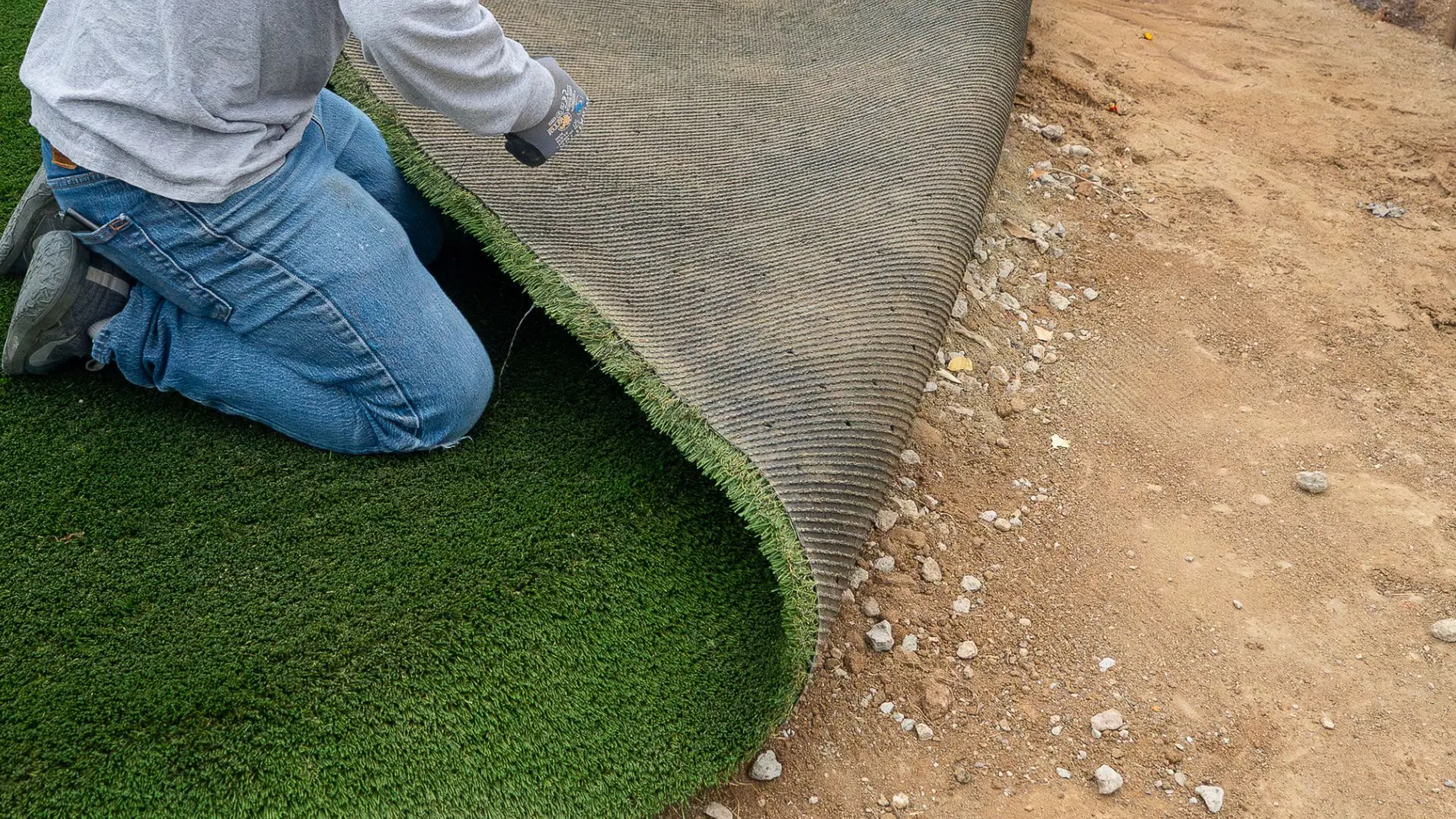
Turf Drainage and Base Corrections
Drainage-focused remediation for puddling, runoff pressure, base instability, and surface pooling problems.
Learn More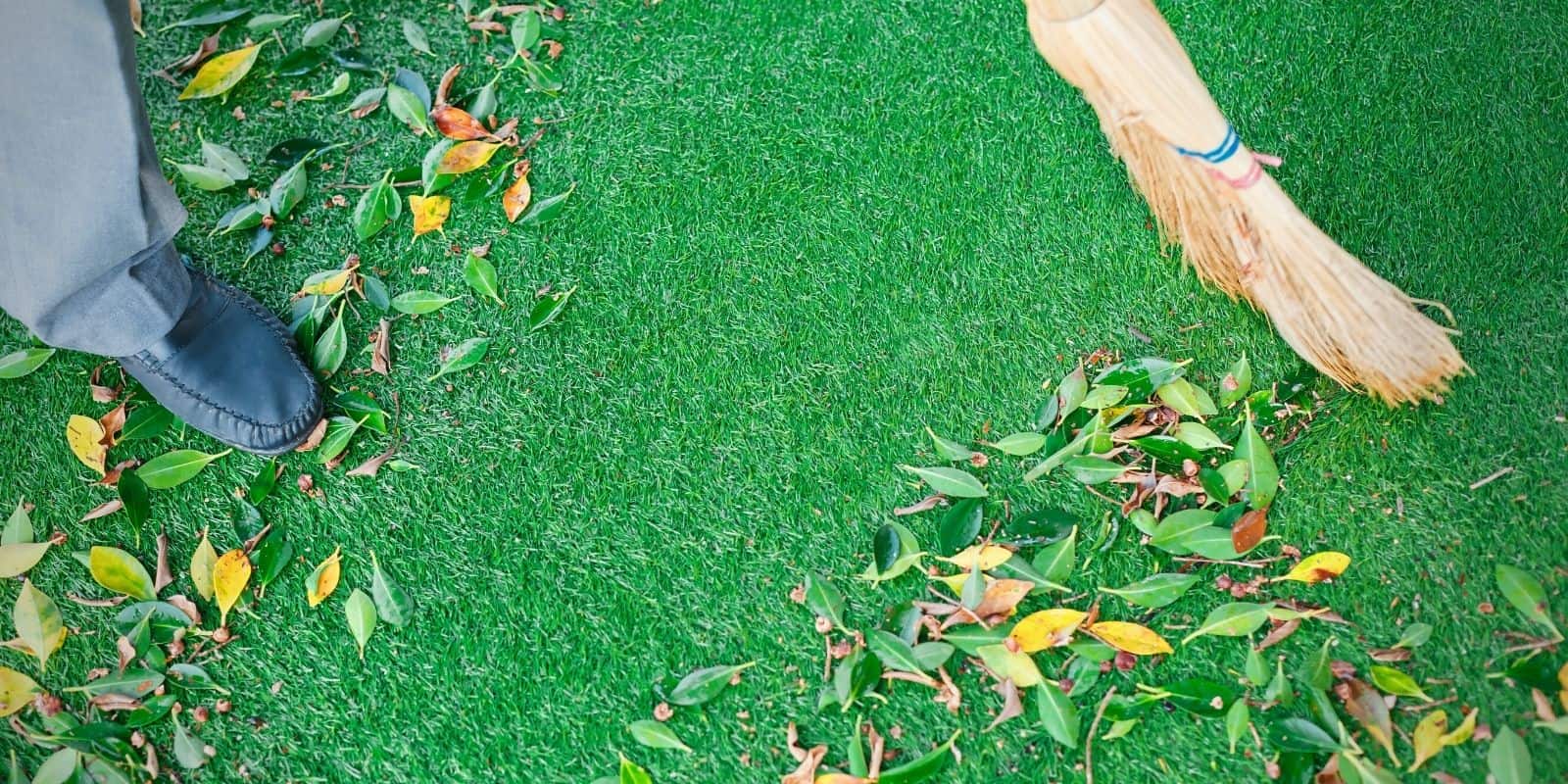
Turf Cleaning and Maintenance
Scheduled turf cleaning, decompaction, grooming, and seasonal maintenance for long-term performance.
Learn MoreFrequently Asked Questions About Residential Artificial Turf Installation
Do I need ASC approval before installing synthetic turf in my yard?
It depends on your village and whether the installation is in a front or rear yard visible from the street or common areas. We review covenant requirements for your specific village as part of the initial scope process so you know what approval steps, if any, apply before we start.
How do you handle tree roots when excavating for the base?
Root protection is treated as a planning constraint rather than an obstacle. We design base depth and excavation approach to avoid cutting into critical root zones, and we adjust base geometry if roots require it.
Will pine needles from the forest canopy cause problems with synthetic turf?
Pine needle accumulation is a real maintenance factor in The Woodlands. We factor it into infill selection and pile height recommendations and provide care guidance that makes debris clearing straightforward.
Can synthetic turf work in a shaded backyard where grass will not grow?
Yes. Shaded yards are one of the most common residential applications in The Woodlands specifically because the forest canopy creates challenging conditions for live grass. The key is designing the base for moisture retention management under shade, which we address specifically during planning.
How long does a typical residential installation take?
Most residential installations complete in one to three days depending on yard size, shape complexity, and base correction requirements. We confirm the schedule estimate after the site walk so you have a reliable planning window.
What happens to the surface during hurricane season or heavy storm events?
Properly installed synthetic turf with adequate drainage handles heavy rainfall better than live grass in most cases, since water moves through the surface rather than pooling on top. Base drainage routing is designed during planning to handle Montgomery County rainfall volumes.