Pet-Friendly Artificial Turf Installation Overview
Pet-friendly turf installation in The Woodlands starts with a different set of design parameters than standard residential or commercial work. Dogs are hard on ground surfaces — particularly in a community like The Woodlands where outdoor living is year-round and properties back up to greenbelt corridors along Spring Creek Greenway, Lake Woodlands shoreline, and the interconnected trail system that runs through all nine villages. A pet zone that does not drain properly, that retains odor, or that breaks down at high-use points becomes a maintenance problem within months rather than years.
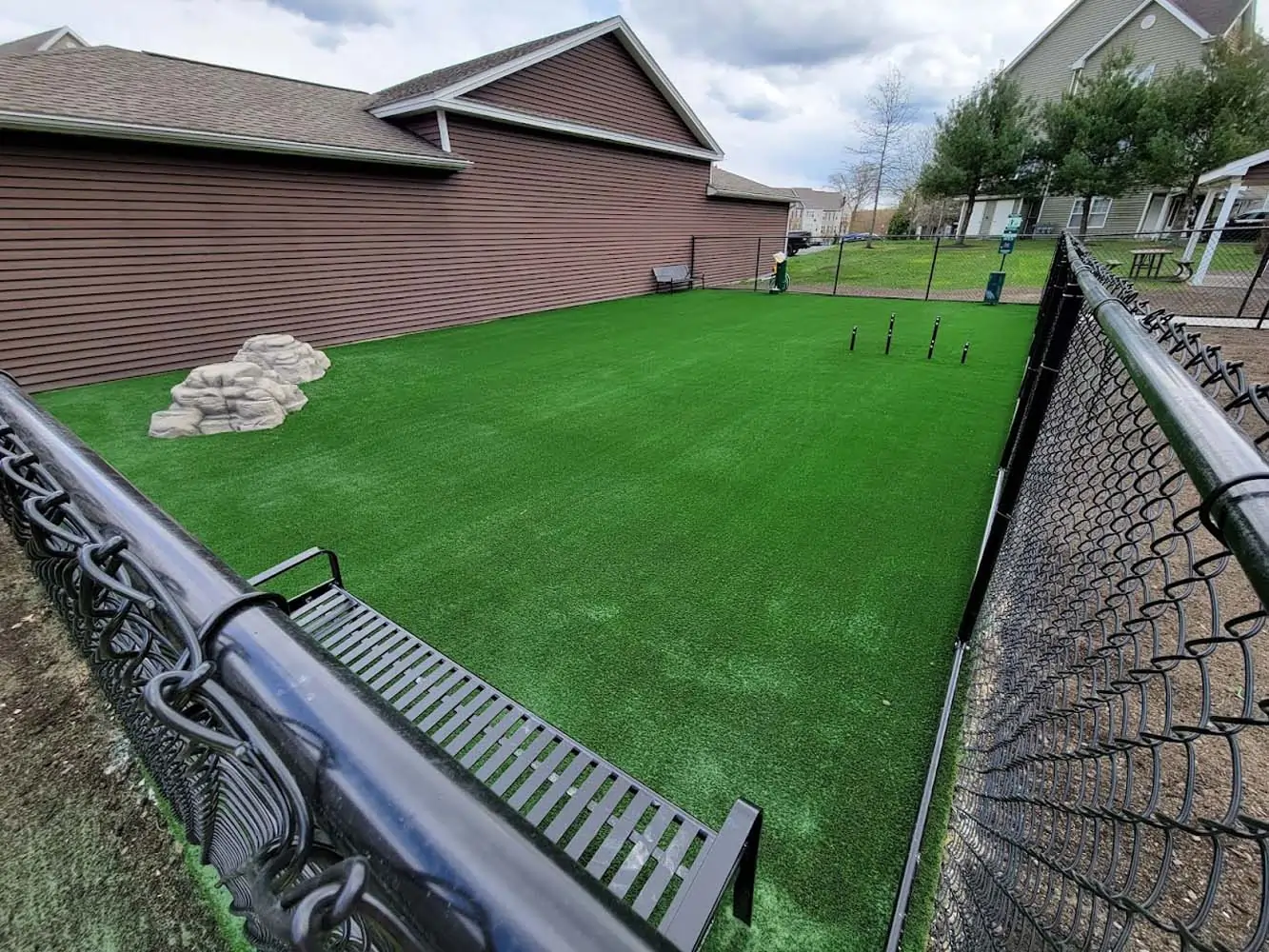
Artificial Grass of The Woodlands designs pet turf systems around the specific behavioral patterns of the animals using the space. High-concentration relief areas receive a different drainage architecture than general roam zones. Dog runs along fence lines that see repeated lateral movement get a different infill strategy than open yard areas. And properties where multiple dogs of different sizes share a space require base compaction planning that accounts for the combined load impact over time.
The Woodlands community attracts active families who spend significant time outdoors on the trail system that connects Alden Bridge to Creekside Park and runs through the Spring Creek Greenway preserve. Those same families typically have working dogs, large-breed dogs, or multiple dogs — and their rear yards reflect that. We work with those households to design pet zones that are genuinely functional: surfaces that rinse clean, bases that drain completely between uses, and perimeter transitions that dogs cannot dig under or lift.
For homeowners whose properties fall within ASC design review, we confirm that pet turf configurations meet covenant visual standards before installation begins. Pet relief areas in rear yards typically fall outside strict ASC visual review, but front-visible dog runs and fenced pet zones along street-facing elevations require more careful review. We handle that conversation proactively so there are no surprises after the installation is complete.
What Is Included in Pet-Friendly Artificial Turf Installation
Pet turf projects are scoped to the specific animals, use patterns, and property configuration. The delivery framework is consistent regardless of project scale.
- Pet Use Pattern Assessment - Document how many animals use the space, their size and breed characteristics, typical relief patterns, and activity level so the surface design matches real use rather than generic assumptions.
- Drainage Engineering for Pet Zones - Design base drainage with adequate permeability and slope to ensure liquid fully clears the surface and base within a predictable timeframe rather than pooling or saturating the subgrade.
- Odor Management Planning - Select infill products and base amendment strategies that reduce odor retention specific to the animal use intensity for the space.
- High-Traffic Zone Reinforcement - Identify the portions of the pet zone that will receive concentrated load from repeated movement and design base compaction and seam placement to handle that without premature wear.
- Perimeter Security Detailing - Install edge systems and perimeter anchoring that prevent dogs from lifting surface edges, digging at seams, or accessing the base material beneath the turf panels.
- ASC Compliance Review Where Applicable - Confirm that visible pet zone configurations meet Architectural Standards Committee requirements before installation begins.
- Care and Cleaning Guidance - Provide specific cleaning protocol guidance for pet surfaces including rinse frequency, solid waste removal approach, and infill refresh schedule based on animal count and use intensity.
Process Steps for Pet-Friendly Artificial Turf Installation
Pet turf installations follow the same structured process as all our work, with specific attention to the drainage and anchoring requirements that animal use demands.
1. Pet Zone Assessment and Use Pattern Documentation
We assess the designated area, document animal count and use patterns, evaluate existing drainage behavior, and confirm what the surface needs to do before making any material recommendations.
2. Base Design and Scope Confirmation
Drainage architecture, base depth, compaction specification, and infill strategy are confirmed before material is ordered so the installation is built for actual pet use intensity.
3. Surface Removal and Base Preparation
Existing vegetation and soil are removed to the required depth, subgrade is prepared, and drainage aggregate is installed to the specified depth and compaction standard.
4. Turf Installation with Pet-Grade Anchoring
Panels are placed, cut to fit the zone configuration, seamed with additional anchoring where needed to resist digging, and infilled with pet-appropriate products.
5. Edge Finishing and Owner Review
Perimeter edges are secured against lifting and digging, the surface is cleaned and inspected, and we review cleaning protocols and maintenance expectations with the homeowner.
Pet Turf Applications in The Woodlands and Surrounding Communities
Pet-friendly turf is one of the most requested residential applications across The Woodlands, where the outdoor lifestyle and trail-connected village system means most households have working pets that spend significant time outdoors.
Rear Yard Dog Runs and Play Zones
Properties in Alden Bridge, Indian Springs, and Panther Creek frequently have rear yards that back up to greenbelt corridors where dogs need a contained, clean play area between trail walks.
Dedicated Pet Relief Areas
Homeowners who want to contain pet relief to a specific zone — especially in larger yards — request drainage-optimized pet panels that make cleanup consistent and prevent odor migration.
Multi-Pet Household Applications
Families with three or more dogs of varying sizes need surfaces engineered for higher combined load impact than standard residential turf. We scale the base and infill specification to the actual animal count.
Kennel and Small Breeder Facilities
Small private breeding operations and hobby kennels in Magnolia, Tomball, and the Conroe area request pet turf systems sized for commercial use intensity on residential-scale properties.
Why Pet Owners in The Woodlands Choose Artificial Grass of The Woodlands
Pet owners in The Woodlands tend to be active, outdoors-focused households who spend real time with their animals on the trail system and in their yards. They need pet turf that performs to the same standard their dogs demand — surfaces that drain fast, hold up to daily use, and stay manageable to clean. We design to that standard, not to a generic residential spec, because we understand that in a community where outdoor living is a core part of the lifestyle, the pet zone is used every single day.
Pricing Factors for Pet-Friendly Artificial Turf Installation
Pet turf projects vary in cost based on animal count, zone configuration, and drainage requirements. The factors below drive most of the price difference between similar-sized pet installations.
Zone Size and Configuration
Larger pet areas and irregularly shaped zones around decking, fencing, gates, and landscape features require more material and more precision edge work.
Animal Count and Use Intensity
Base compaction specification, infill selection, and drainage aggregate depth are scaled to the number of animals and their typical use pattern. Higher intensity requires more base engineering investment.
Drainage Infrastructure Requirements
Properties with clay subgrade, poor natural slope, or existing drainage problems require additional base correction to achieve the drainage performance that pet zones specifically need.
Perimeter Security Anchoring
Large-breed dogs and determined diggers require heavier edge anchoring systems than standard residential installations, which adds material and labor cost at the perimeter.
Odor Management Infill Selection
Infill products engineered for odor management in pet-intensive zones cost more than standard infill but significantly reduce maintenance burden over the life of the installation.
Existing Surface Removal Conditions
Pet yards that have been used heavily by dogs often have compacted, organic-rich soil with significant debris load that increases removal and prep complexity.
Service Area Coverage
We provide pet-friendly artificial turf installation across The Woodlands villages and extend service to Spring, Shenandoah, Conroe, Tomball, Magnolia, Oak Ridge North, Porter, Humble, Cypress, Montgomery, Willis, Pinehurst, Cut and Shoot, and Jersey Village.
Related Services
Residential Artificial Turf Installation
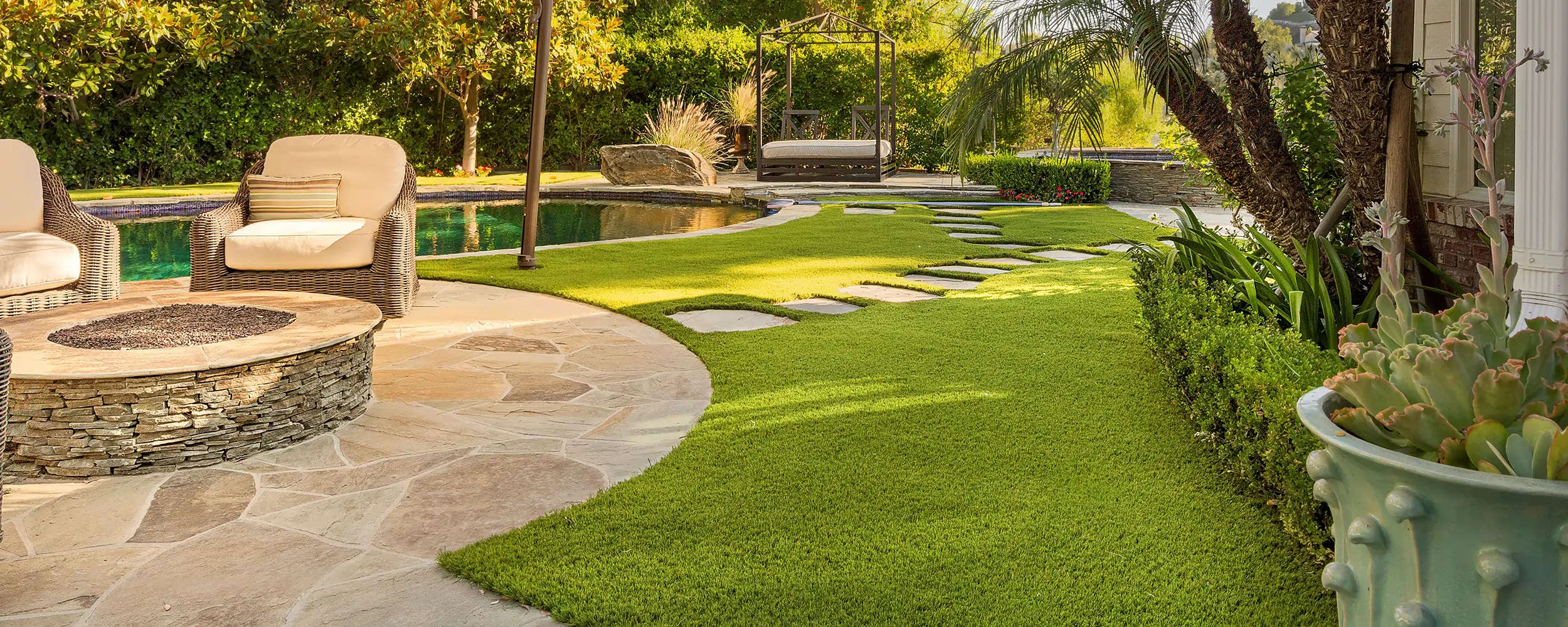
Durable landscape turf systems for front yards, backyards, pool zones, and everyday family use.
Learn More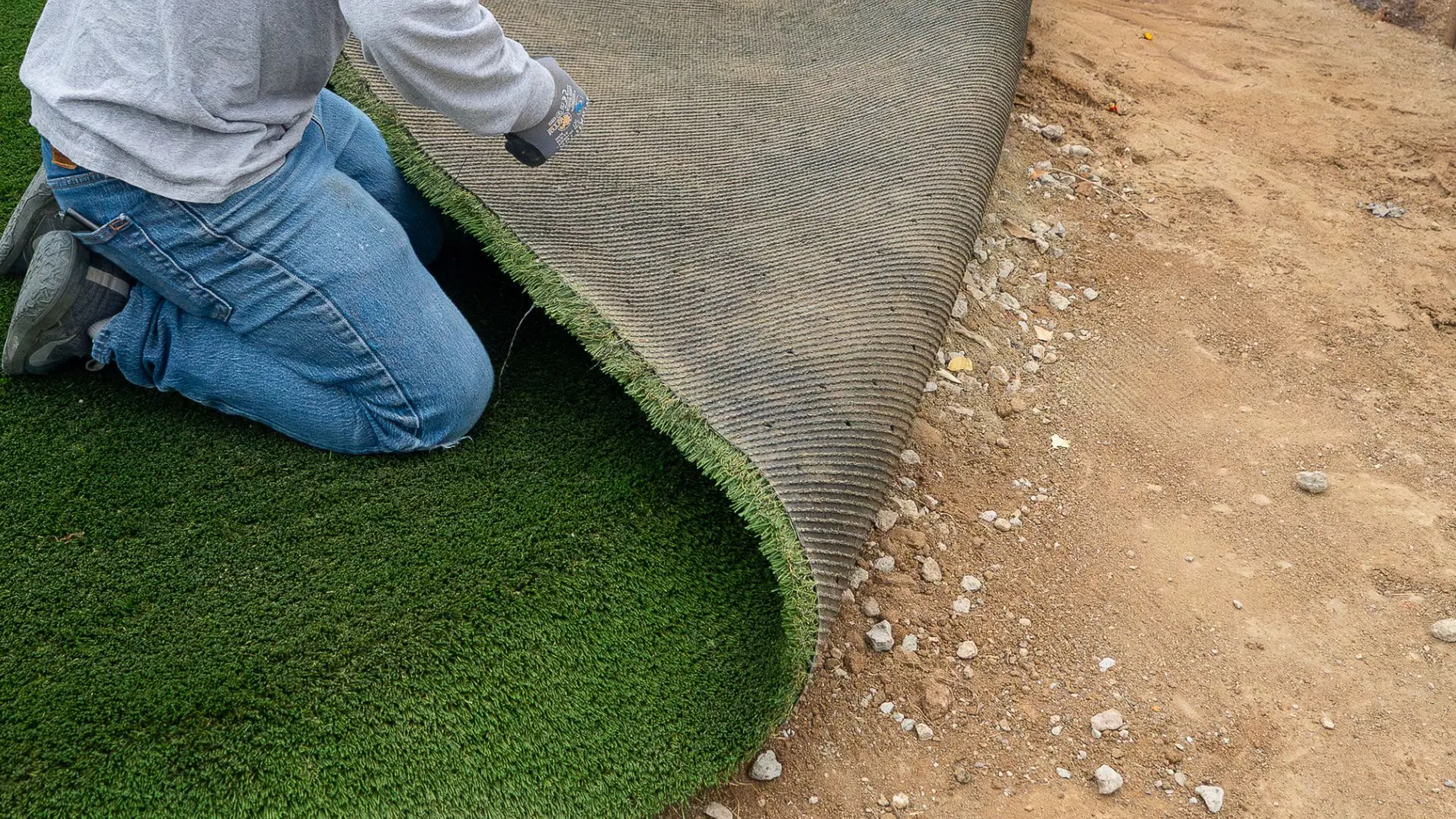
Turf Drainage and Base Corrections
Drainage-focused remediation for puddling, runoff pressure, base instability, and surface pooling problems.
Learn More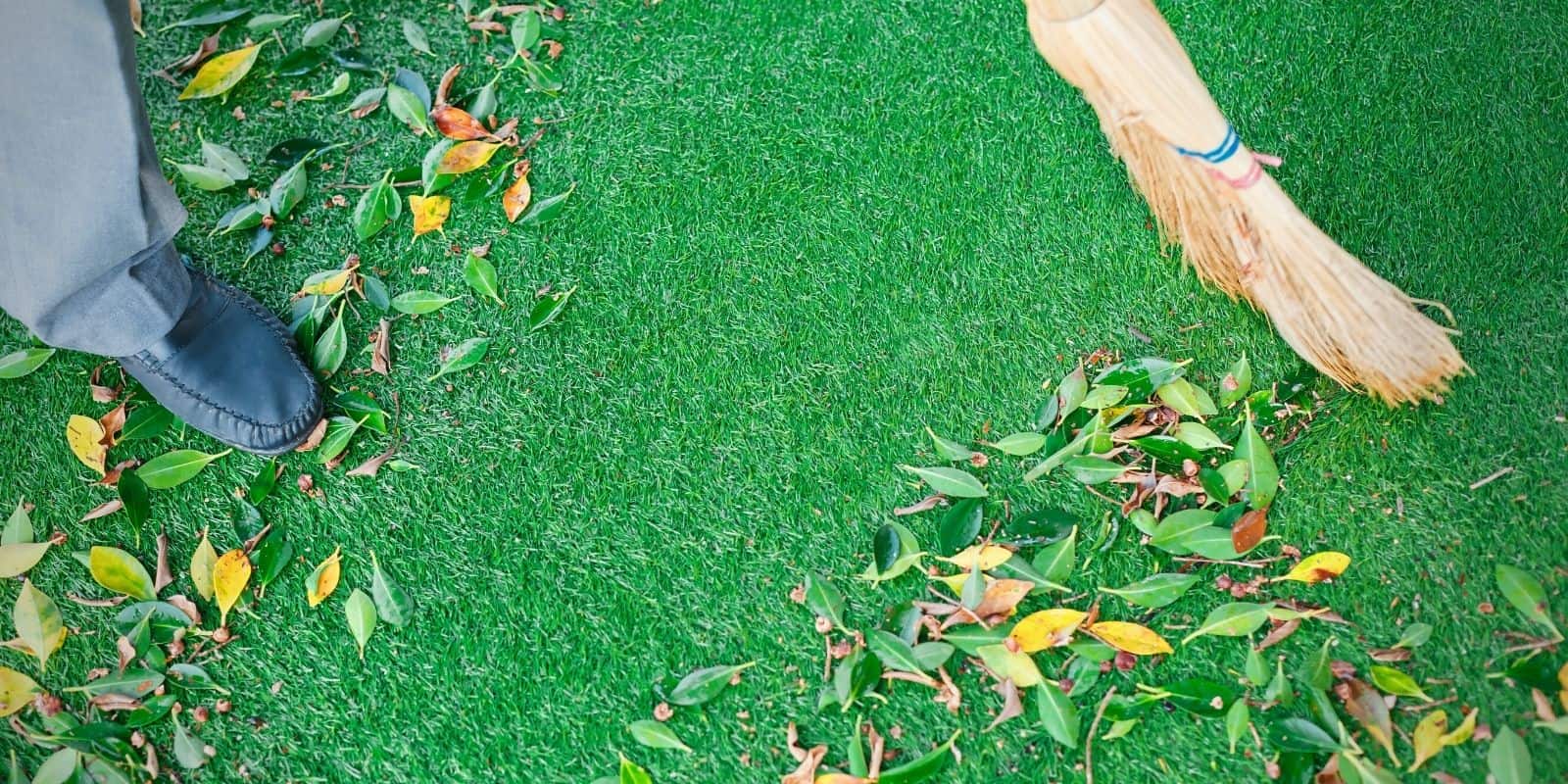
Turf Cleaning and Maintenance
Scheduled turf cleaning, decompaction, grooming, and seasonal maintenance for long-term performance.
Learn More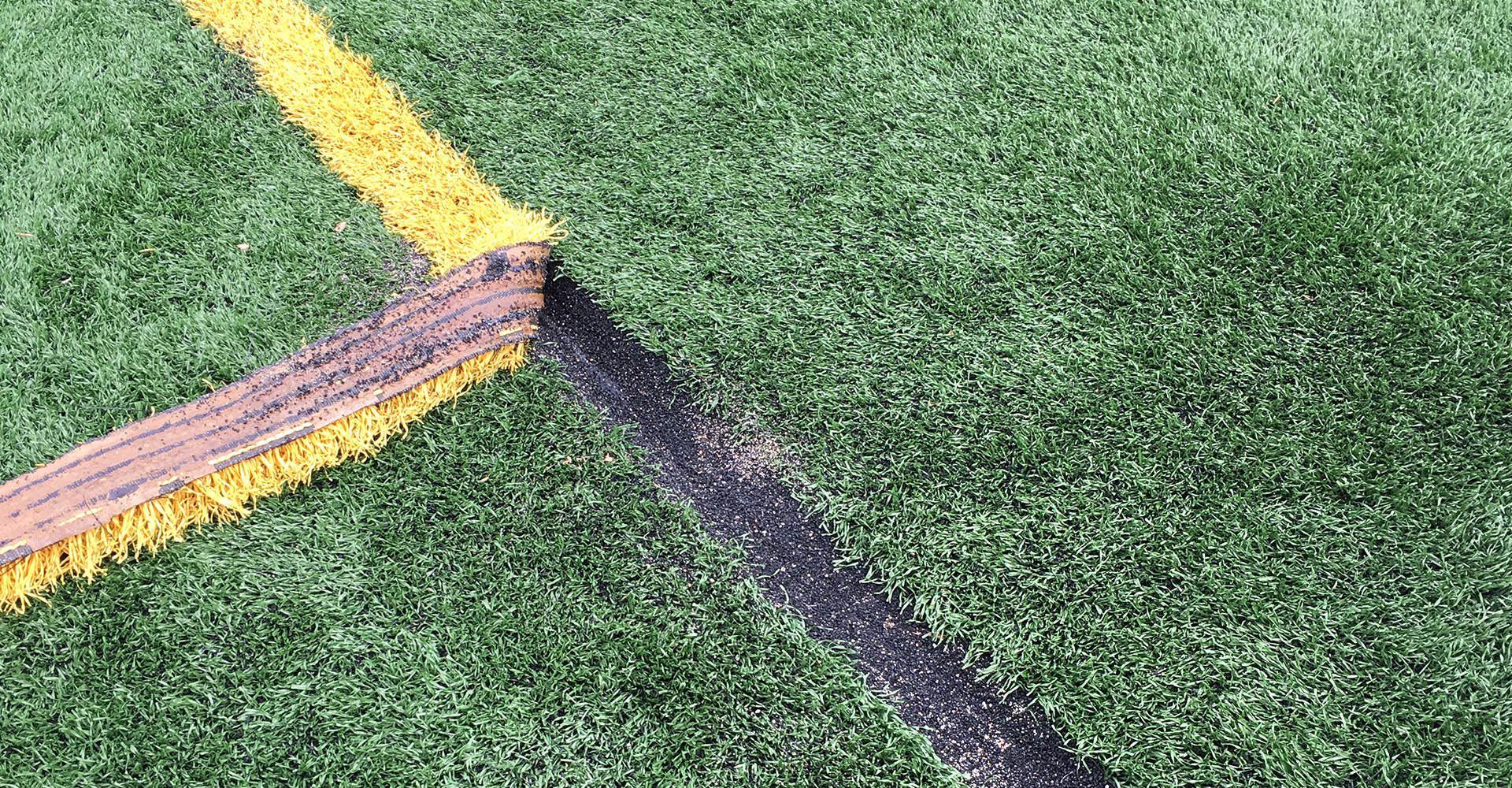
Turf Repair and Seam Fixes
Corrective repairs for lifted seams, wrinkling, edge movement, and localized wear on existing turf.
Learn MoreFrequently Asked Questions About Pet-Friendly Artificial Turf Installation
How do you prevent odor from building up in a pet turf area?
Odor control starts at the base — adequate drainage prevents liquid from pooling in the base aggregate where bacterial growth causes odor. We pair that with infill products that have antimicrobial properties and provide cleaning protocols that keep the surface sanitized without damaging the turf fibers.
Can large dogs dig under the edge of synthetic turf?
If edges are not properly anchored, yes. We install perimeter systems specifically designed to resist digging and lifting, and we secure seam lines with additional fastening where dog behavior patterns indicate concentrated edge pressure.
How often does pet turf need to be cleaned?
Solid waste should be removed promptly and the surface rinsed after relief events. High-use pet zones benefit from a light rinse several times per week and a more thorough deodorizing clean monthly. We provide a written care schedule calibrated to your animal count and zone size.
Is synthetic turf safe for dogs?
Properly installed synthetic turf with appropriate infill is safe for dogs. We select infill products that are non-toxic and use installation methods that eliminate loose material that could be ingested.
Can I connect a pet turf zone to the rest of my yard's drainage system?
In many cases, yes. We review the existing drainage infrastructure during the site assessment and design the pet zone drainage to integrate with or discharge to the appropriate outlet for the property.
Does the pine needle fall from The Woodlands canopy cause problems in pet areas?
Pine needles accumulate on all surfaces in The Woodlands. In pet zones, they are easily removed with a leaf blower during regular maintenance. We select infill depths that keep needles from working deeply into the surface pile, making clearing faster and more complete.