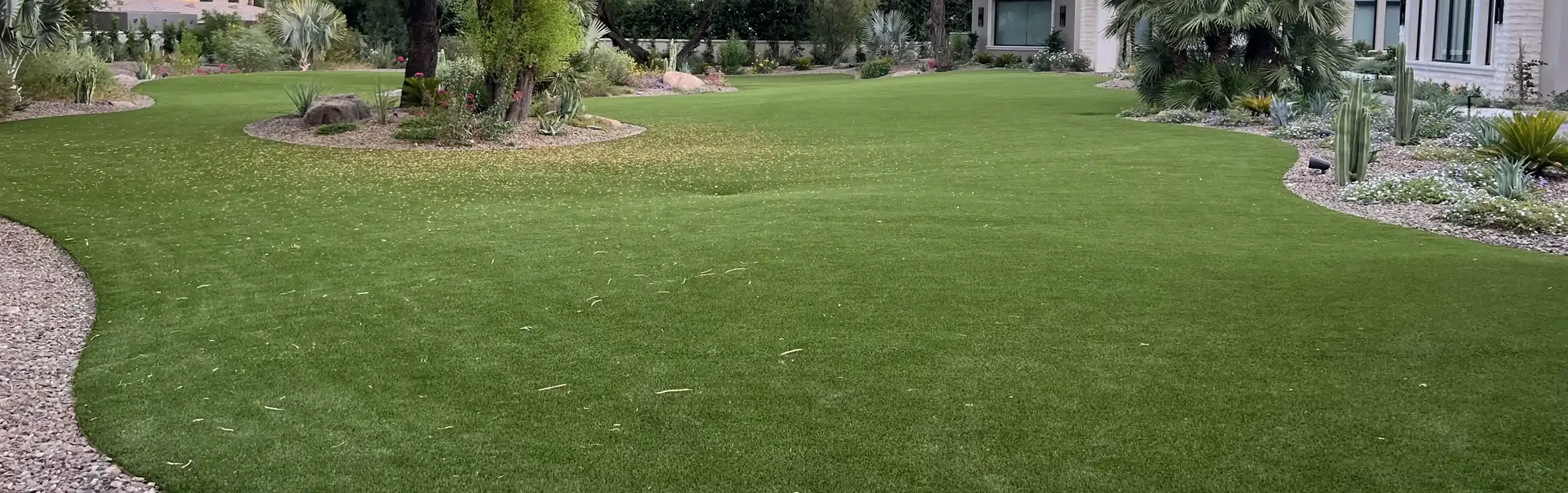
Commercial Artificial Turf Installation Overview
Commercial artificial turf installation across The Woodlands corridor demands a level of planning discipline that generic contractors rarely bring. The Woodlands was designed from its founding by George Mitchell as a community where forest canopy and human development coexist under strict stewardship principles. That same design ethic carries into how commercial landscapes are expected to perform today — particularly along Research Forest Drive, Hughes Landing, the Town Center mixed-use zone, and the ExxonMobil campus perimeter.
Artificial Grass of The Woodlands scopes every commercial installation around specific site conditions: how drainage behaves across each parcel, where loblolly pine needle accumulation creates infill challenges, how shade patterns from the forest canopy affect surface temperature and moisture retention, and what Architectural Standards Committee guidelines govern acceptable groundcover materials in design review zones. These are not afterthoughts — they are the first conversations we have when a facility manager or property owner contacts us about a commercial project.
The Woodlands Township and its nine village communities — Alden Bridge, Sterling Ridge, Indian Springs, Cochran's Crossing, Panther Creek, Grogan's Mill, Creekside Park, College Park, and Carlton Woods — each have their own development character and landscaping expectation. Commercial properties in these areas face ASC review requirements that residential sites may not, and our planning process accounts for that layer from the beginning. We document access corridors, confirm drainage routing relative to existing tree protection zones, and establish seam geometry that respects the visual lines of each property without disturbing root protection areas around preserved specimen trees.
Commercial projects typically involve multiple surface transitions — parking lot buffers meeting turf fields, concrete plaza edges adjacent to synthetic panels, drainage inlets embedded within or near turf zones. Each of these transitions is detailed early so the installation does not create liability at the handoff line. Our crews work with facility teams to stage production around tenant operations, minimizing access disruption and keeping the project on a predictable schedule from mobilization through final walkthrough.
What Is Included in Commercial Artificial Turf Installation
Every commercial installation is scoped to the specific property, but the delivery framework is consistent so stakeholders can plan around it from the first site visit.
- Site Assessment with ASC Consideration - Document access corridors, tree protection zones, grade behavior, and any Architectural Standards Committee guidelines that govern material selection or surface finish for the property.
- Drainage Mapping and Base Engineering - Identify runoff direction, inlet locations, and compaction requirements so the base system handles Montgomery County rainfall volumes without puddling or surface displacement.
- Material Selection for Commercial Traffic - Select turf profile and infill strategy based on traffic intensity, shade exposure from existing tree canopy, and cleaning cycle expectations for the specific commercial use.
- Installation Sequencing Around Operations - Build a production schedule that stages work in sections so tenant operations, parking access, and building entry remain functional during installation.
- Transition and Edge Detailing - Finish perimeter lines at concrete, planters, curbing, utility covers, and drainage structures to professional standards that hold through seasonal ground movement.
- Post-Install Owner Walkthrough - Review the completed surface with the facility contact, confirm care protocols, and document any scheduled follow-up checks.
- Maintenance Guidance Documentation - Provide written care recommendations calibrated to the specific site's traffic level, canopy debris load, and seasonal cleaning needs.
Process Steps for Commercial Artificial Turf Installation
Our commercial process is structured around decision transparency — every key choice is confirmed before production begins so there are no surprises at the field level.
1. Site Review and Scope Development
We walk the commercial property with the facility or property manager, evaluate drainage behavior, document tree protection constraints, and note ASC or covenant considerations that affect material selection.
2. Scope Confirmation and Schedule Agreement
Labor phasing, material quantities, and transition detailing requirements are confirmed in writing before mobilization so both parties are aligned on what the installation includes.
3. Existing Surface Removal and Base Preparation
Soil removal, compaction correction, and subgrade grading are completed to the specified depth so drainage routes are clear and the base is stable enough for long-term commercial use.
4. Turf Installation, Seaming, and Infill
Panels are placed directionally, cut to match property geometry, seamed with precision, and infilled to the correct depth for the intended commercial traffic load.
5. Edge Finishing and Site Cleanup
All perimeter transitions are secured, the site is cleared of installation debris, and the surface is broomed and inspected before the owner walkthrough.
Commercial Properties We Serve in The Woodlands Area
Commercial synthetic turf is selected by property owners and facility teams who need reliable groundcover that performs consistently without irrigation dependency or turf cycle replacements.
Corporate Campus Landscaping
ExxonMobil campus grounds, Anadarko/Occidental commute corridors, and Hughes Landing office perimeters require landscaping that holds its visual standard through high pedestrian and vehicle exposure cycles.
Retail Frontage and Town Center Properties
Town Center plaza properties and The Waterway-adjacent retail sites benefit from synthetic groundcover that maintains presentation quality without the maintenance staffing demands of live grass.
Medical and Healthcare Facilities
The Woodlands Hospital campus and adjacent medical office properties need low-debris, cleanable groundcover near patient access and entry zones.
Mixed-Use and HOA Common Areas
Village commercial pockets across Cochran's Crossing, Alden Bridge, and Sterling Ridge require groundcover solutions that satisfy both commercial durability needs and ASC presentation standards.
Why Commercial Property Managers Choose Artificial Grass of The Woodlands
Artificial Grass of The Woodlands understands that commercial landscaping in this community is not just about durability — it is about fitting into a design environment that George Mitchell's planning principles established and The Woodlands Township continues to enforce. We plan installations that work with tree protection zones, drainage covenants, and ASC expectations rather than around them. That awareness, combined with transparent scheduling and detailed scope documentation, is why facility managers across the north Houston corridor trust us with commercial installations that have to hold up to scrutiny.
Pricing Factors for Commercial Artificial Turf Installation
Commercial project costs vary based on site-specific conditions. The factors below drive most of the pricing difference between similar-sized commercial jobs.
Total Surface Area and Access Constraints
Larger footprints require more material and labor. Constrained access from parking structures, service lanes, or gated entries affects equipment movement and staging time.
Existing Ground Removal
Sod depth, compaction level, and debris load from sites under mature loblolly pine or hardwood canopy increase removal scope and haul-off requirements.
Base Depth and Drainage Correction
Sites with clay subgrade or established drainage patterns that conflict with turf layout require deeper correction work before any surface material is placed.
Transition Complexity
Commercial sites with multiple concrete edges, utility access points, planters, drainage inlets, and grade changes require additional precision labor at every transition line.
Turf Profile and Infill Specification
Traffic intensity, shade conditions under existing tree canopy, and commercial aesthetic requirements influence which turf system is appropriate and what it costs.
Phased Execution Requirements
Staging installation around active tenant operations, construction schedules, or seasonal business cycles adds coordination overhead that affects total project cost.
Service Area Coverage
We provide commercial artificial turf installation across The Woodlands, TX, including all nine villages, and extend service to Spring, Shenandoah, Conroe, Tomball, Magnolia, Oak Ridge North, Porter, Humble, Cypress, Montgomery, Willis, Pinehurst, Cut and Shoot, and Jersey Village.
Related Services
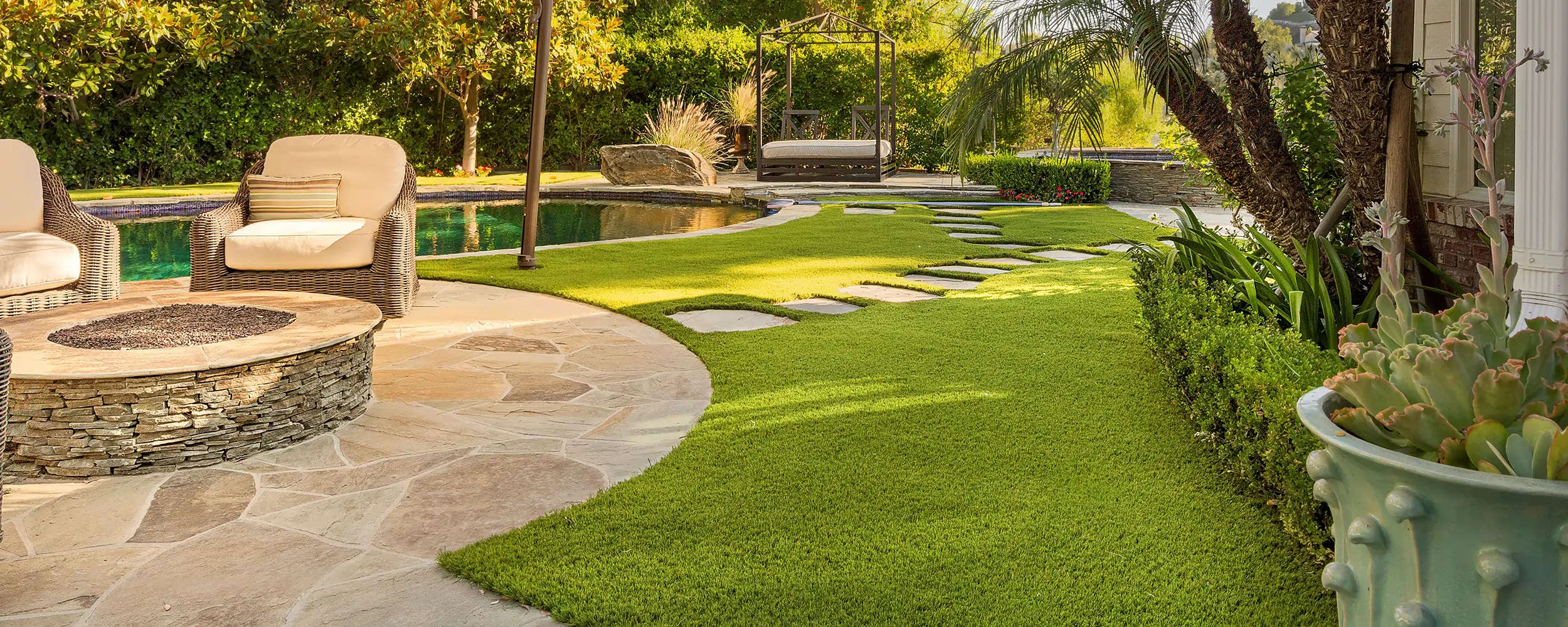
Residential Artificial Turf Installation
Durable landscape turf systems for front yards, backyards, pool zones, and everyday family use.
Learn More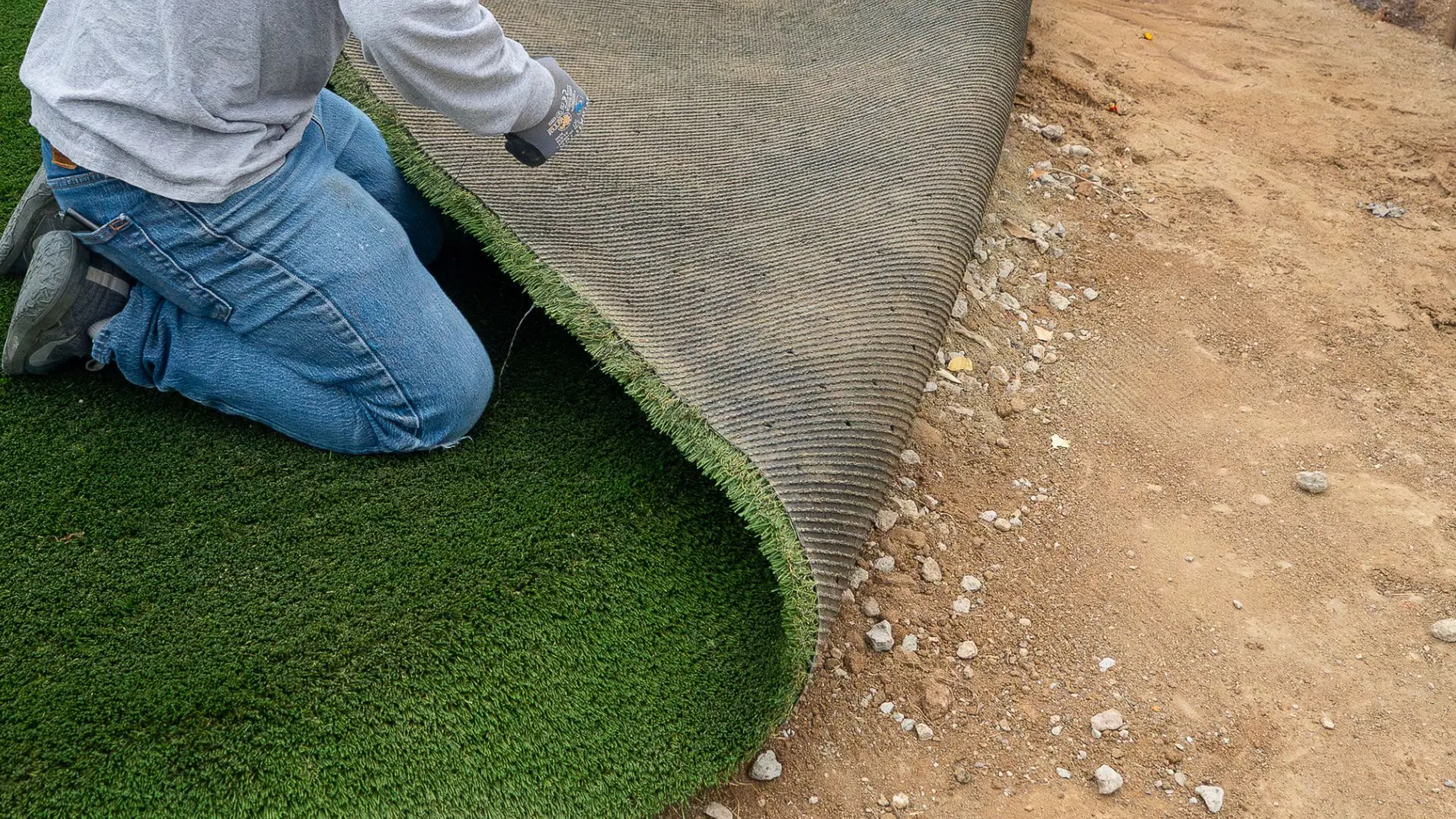
Turf Drainage and Base Corrections
Drainage-focused remediation for puddling, runoff pressure, base instability, and surface pooling problems.
Learn More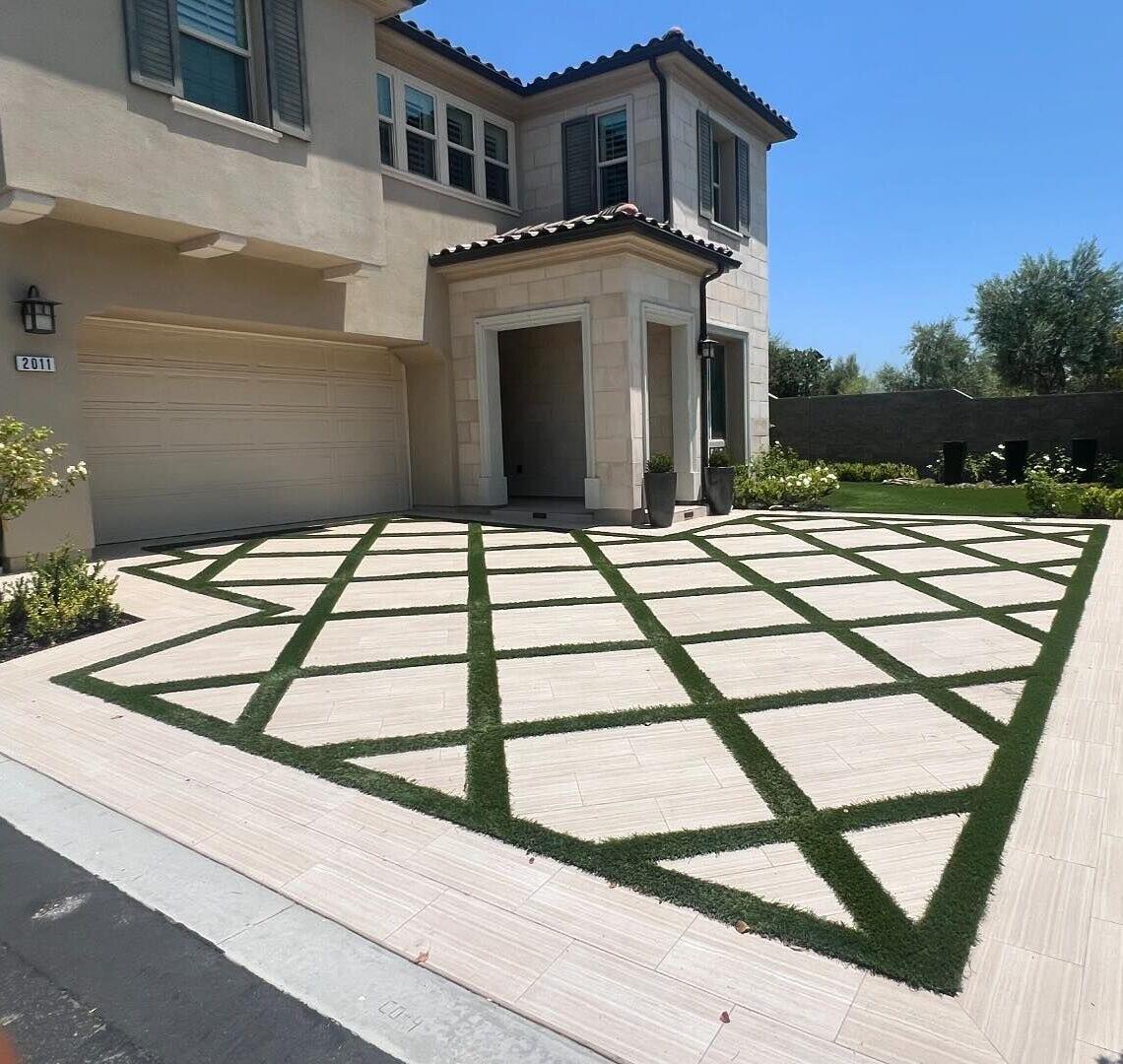
Turf Design Consultation
Scope planning and design guidance for phased turf projects across residential and commercial properties.
Learn More
Turf Cleaning and Maintenance
Scheduled turf cleaning, decompaction, grooming, and seasonal maintenance for long-term performance.
Learn MoreFrequently Asked Questions About Commercial Artificial Turf Installation
Do ASC guidelines affect which turf products can be used on commercial properties?
Yes. The Woodlands Architectural Standards Committee reviews commercial landscaping materials in design-controlled areas. We account for those requirements during scope development so the installation meets covenant standards from the start.
Can large commercial projects be phased so operations continue during installation?
Yes. We build phased production plans for active commercial sites so tenant access, parking availability, and building entry are maintained while work progresses in sections.
How do you handle drainage near existing tree root zones?
Drainage routing is planned to avoid disturbing protected root areas. Base preparation depth and perimeter transitions are designed to keep water moving away from specimen trees rather than pooling against them.
What maintenance does a commercial turf installation require?
Commercial sites typically need periodic grooming to address infill compaction in high-traffic zones, debris removal from pine needle and leaf fall, and seam inspection after major storm events. We provide a written care plan calibrated to each property.
Do you work with property managers or directly with business owners?
We work with whoever manages the project — property management firms, facility managers, business owners, or their designated contractors. The scope and communication approach is adjusted to fit the stakeholder structure.
How do you handle the loblolly pine needle accumulation that is common across The Woodlands?
Pine needle load is factored into infill selection and maintenance schedule recommendations. We select infill products and pile heights that minimize debris entrapment and make routine clearing easier for facility maintenance teams.