
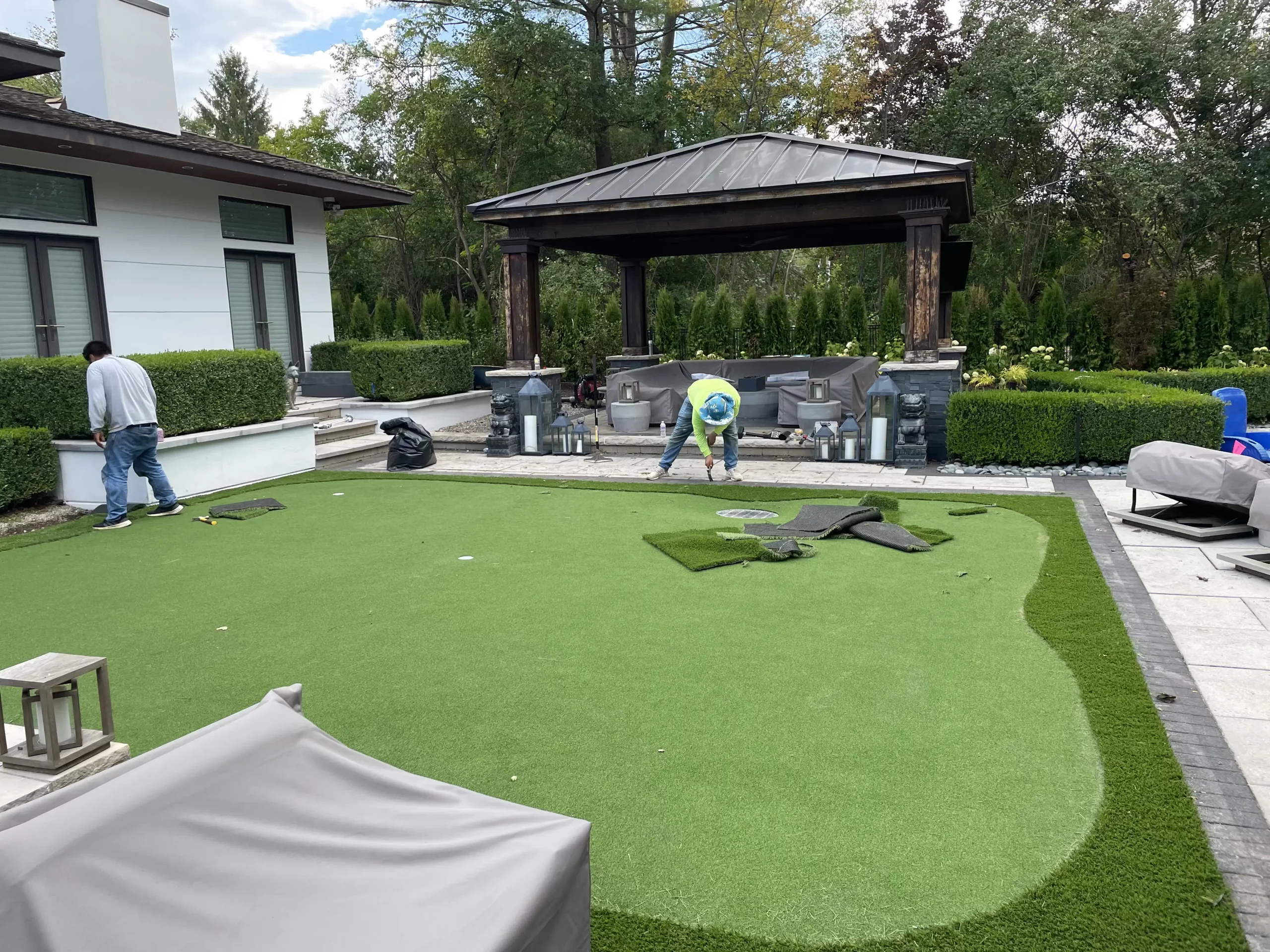
Artificial Putting Green Installation Overview
The Woodlands sits within one of the most golf-active residential corridors in Texas. Carlton Woods Country Club, Augusta Pines in Spring, and a collection of private and semi-private courses within a short drive of the Town Center make golf a daily part of life for a significant portion of the community. Homeowners who want to practice at home without losing recreational outdoor space are a natural fit for backyard putting green installation — and the forested lot character that defines The Woodlands creates some of the most visually compelling green settings in the region.
Artificial Grass of The Woodlands builds backyard putting greens that perform for practice, not just for aesthetics. The distinction matters. A putting surface that looks good from the patio but plays inconsistently — because the base shifted, the contour was not properly planned, or the putting turf was the wrong specification for the intended break and roll — is a recreational disappointment and a long-term maintenance problem. We engineer contours using the same principles that course architects use, scaled to residential yard constraints and adjusted for the ASC-governed design environment where most Woodlands properties exist.
Backyard putting greens in The Woodlands often need to integrate with existing landscape features — specimen trees, planting beds, pool decking, outdoor kitchen structures, and existing hardscape corridors. The root protection zones around mature loblolly pines, water oaks, and native hardwoods that make these properties beautiful also constrain where and how deep we can excavate. We design around those constraints from the beginning rather than discovering them mid-installation.
Fringe zones, cup placement, shot-shaping hills, and chipping areas all extend the functional footprint of a residential green and require their own material selection and base engineering. We scope these components as integrated elements rather than add-ons, so the green performs as a unified practice environment from the first putt.
What Is Included in Artificial Putting Green Installation
Putting green projects are designed and built as complete practice environments. The scope below covers the standard elements, with custom components added based on each homeowner's use goals.
- Contour Planning and Break Design - Plan green topography to produce realistic putt breaks and consistent ball speed, calibrated to the homeowner's practice goals and the available yard area.
- Root-Safe Excavation and Base Engineering - Design excavation depth and approach to respect tree root protection zones around mature loblolly pines and hardwoods that characterize most Woodlands lots.
- Drainage System Design - Route drainage away from the green surface and base to prevent pooling in the contour pockets that ball-speed consistency requires, without directing water toward protected tree root zones.
- Putting Turf Selection - Select pile height and blade density appropriate for the intended ball speed and break playability, calibrated to the amount of canopy shade the green will receive.
- Cup Installation - Set cup locations based on contour planning to create the intended variety of practice putts, with proper collar finishing around each hole.
- Fringe and Surround Integration - Install fringe turf zones and, where specified, chipping surfaces that frame the green visually and extend the practice functionality of the installation.
- Edge and Landscape Integration - Finish perimeter transitions at hardscape, planting beds, decking, and natural ground with precision detailing that makes the green look intentionally placed in the landscape.
Process Steps for Artificial Putting Green Installation
Putting greens require more design work upfront than standard turf installations because contour performance cannot be corrected after the base is set. Our process builds in those design decisions early.
1. Site Review and Contour Consultation
We walk the yard with the homeowner, evaluate the available footprint, discuss practice goals, review tree root constraints, and draft a contour plan before any excavation work is scheduled.
2. Design Confirmation and Material Selection
Contour design, cup placement, fringe configuration, turf specification, and integration with existing landscape features are confirmed before the project is scheduled.
3. Excavation and Base Construction
Soil is removed to the required depth respecting root protection zones, drainage aggregate is placed to specification, and the base is shaped to match the approved contour plan.
4. Turf Installation and Cup Setting
Putting turf panels are placed, seamed, and finished across the contoured base. Cups are set at the planned locations with proper collar installation.
5. Fringe, Edge, and Finish Detail
Fringe and surround turf is installed, perimeter edges are finished to meet existing hardscape and landscape, and the entire surface is inspected before the homeowner walkthrough.
Putting Green Applications Across The Woodlands and North Corridor
Residential putting green installations serve active golfers who want accessible practice within their own property, without sacrificing the outdoor living space that Woodlands lots offer.
Backyard Practice Greens for Carlton Woods and College Park Estates
Larger estate lots in Carlton Woods and College Park accommodate multi-cup greens with fringe and chipping zones that support serious short-game practice within a visually curated landscape.
Courtyard and Side-Yard Greens
Homeowners in Alden Bridge and Sterling Ridge with side yards or courtyard spaces that receive too much shade for live grass use those areas for compact putting installations with one or two cups and a practice-oriented chipping mat.
Outdoor Entertaining Integration
Families who host frequently integrate a putting green into the outdoor living area alongside pool, kitchen, and lounge zones — making the green a social feature as much as a practice tool.
Clubhouse and Amenity Facility Greens
Residential clubs and HOA amenity facilities across The Woodlands villages and neighboring communities in Spring, Tomball, and Conroe install practice greens as member amenities.
Why Golf-Active Homeowners Choose Artificial Grass of The Woodlands
Homeowners near Carlton Woods, Augusta Pines, and the club corridor understand what a good putting surface feels like. They are not looking for a decorative green that looks flat and plays fast in one direction — they want a surface that produces meaningful practice. We design to that standard, with contour planning rooted in actual golf principles and material selection matched to the shade and drainage conditions specific to Woodlands lots.
Pricing Factors for Artificial Putting Green Installation
Putting green costs are driven by design complexity, square footage, and integration requirements with existing landscape features. The factors below account for most of the variation between similar-sized projects.
Green Footprint and Contour Complexity
Larger greens with multiple elevation changes and break planes require more base construction time and more precise shaping labor than flat or single-contour designs.
Number of Cups and Cup Collar Detailing
Each cup requires a properly finished collar and precise placement within the contour plan. More cups extend design, excavation, and finishing scope.
Fringe, Chipping, and Surround Zones
Fringe turf zones, chipping mat areas, and naturalistic surrounds require additional material and integration work that scales with the size of each zone.
Root-Constrained Excavation
Properties with mature trees above the green area require more careful hand excavation to protect root systems, which takes longer than standard machine excavation.
Existing Hardscape and Landscape Integration
Greens that border pool decking, outdoor kitchens, raised planters, or existing retaining walls require precision transition detailing at each interface.
Putting Turf Specification
Turf products optimized for putting ball speed and break playability cost more than standard landscape turf, and shade conditions under canopy cover influence which specification is appropriate.
Service Area Coverage
We provide artificial putting green installation across The Woodlands villages and extend service to Spring, Shenandoah, Conroe, Tomball, Magnolia, Oak Ridge North, Porter, Humble, Cypress, Montgomery, Willis, Pinehurst, Cut and Shoot, and Jersey Village.
Related Services
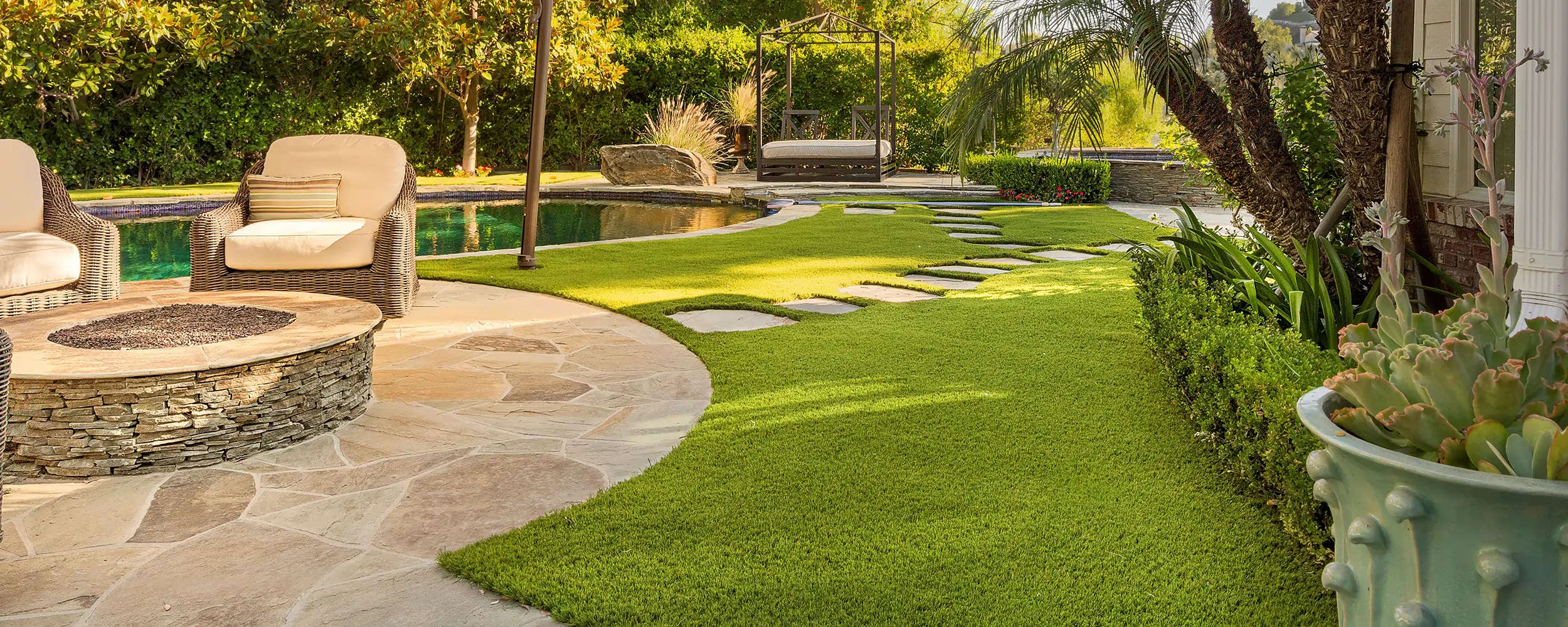
Residential Artificial Turf Installation
Durable landscape turf systems for front yards, backyards, pool zones, and everyday family use.
Learn More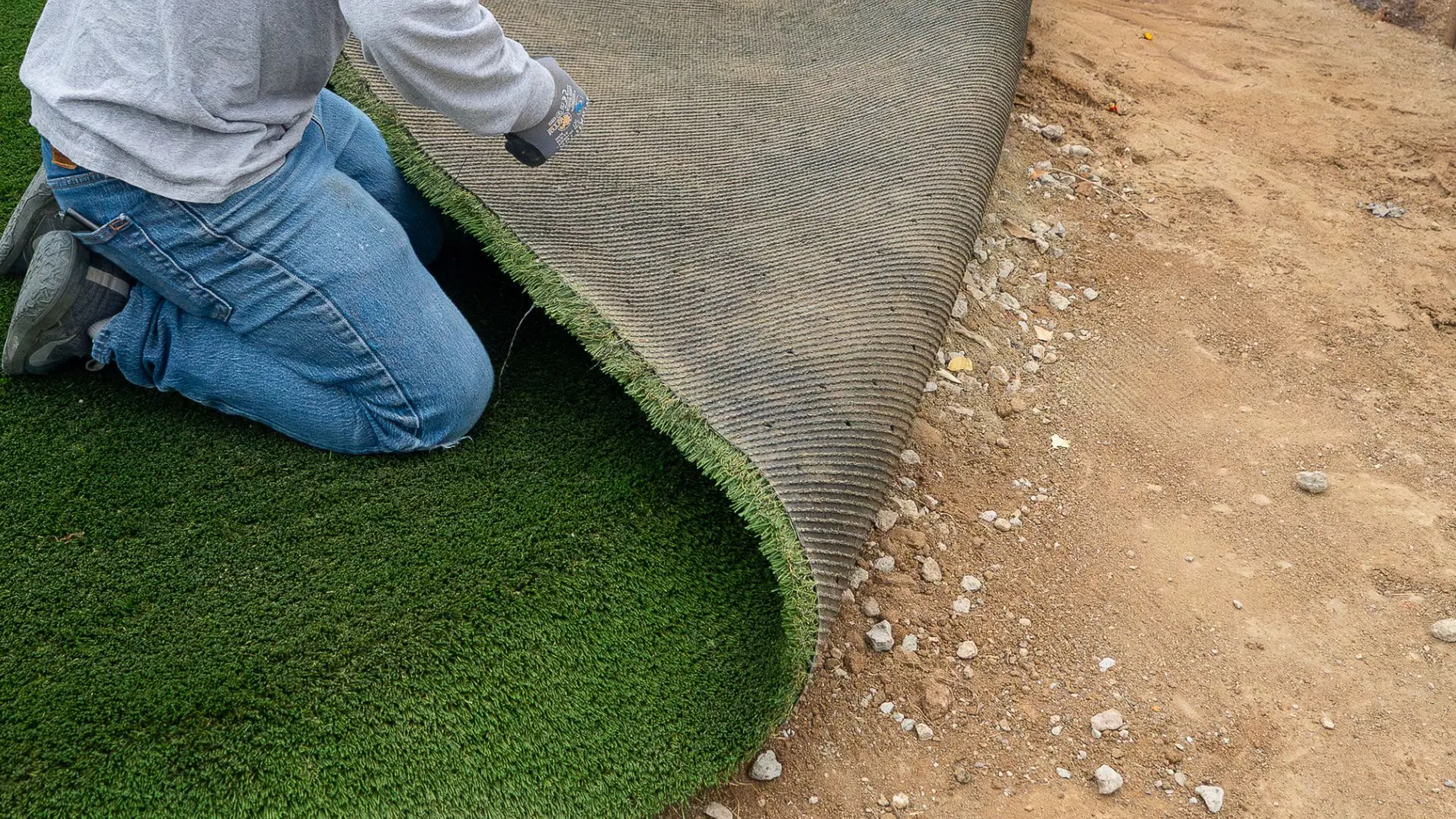
Turf Drainage and Base Corrections
Drainage-focused remediation for puddling, runoff pressure, base instability, and surface pooling problems.
Learn More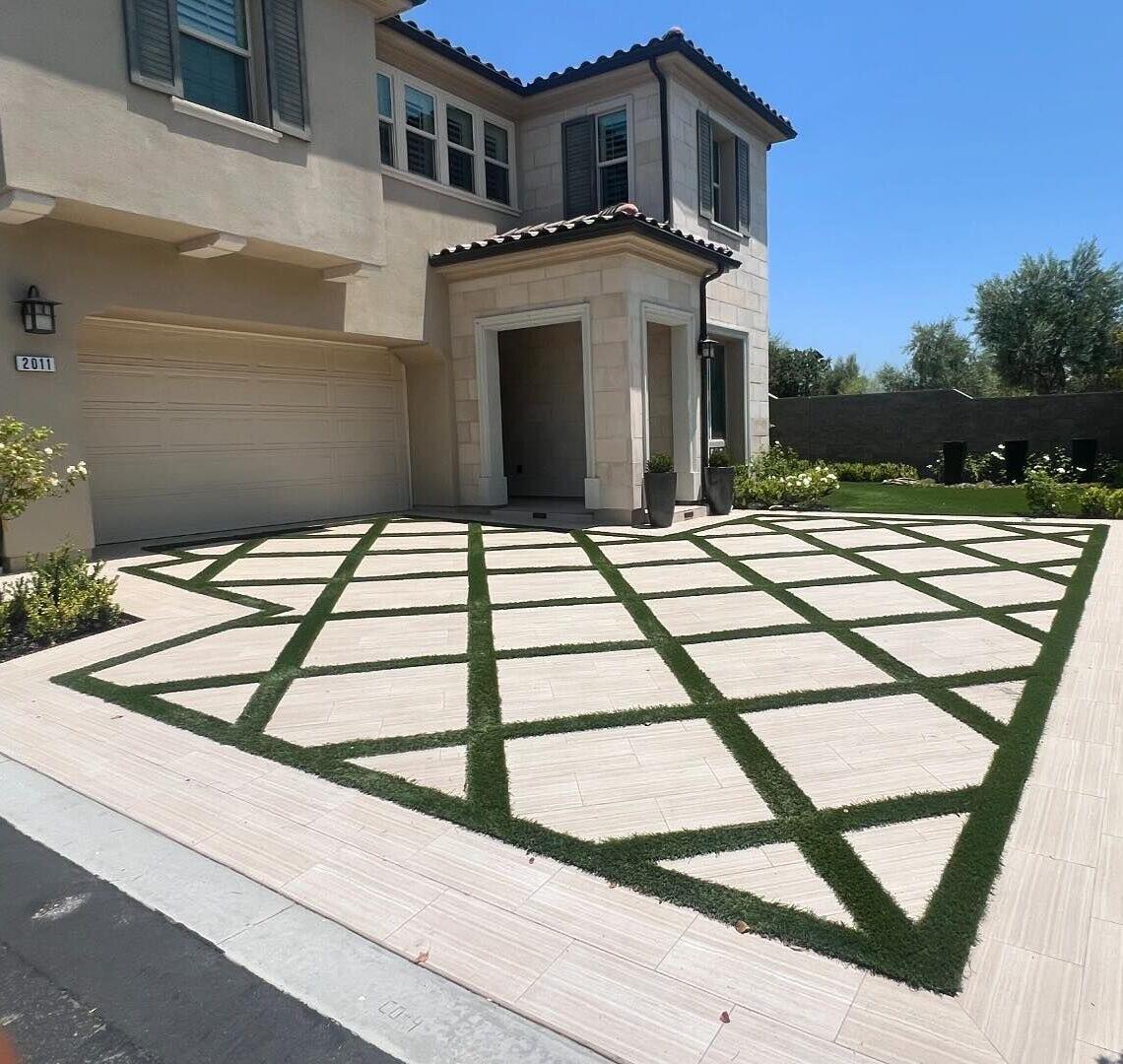
Turf Design Consultation
Scope planning and design guidance for phased turf projects across residential and commercial properties.
Learn More
Turf Cleaning and Maintenance
Scheduled turf cleaning, decompaction, grooming, and seasonal maintenance for long-term performance.
Learn MoreFrequently Asked Questions About Artificial Putting Green Installation
Can a putting green work under the partial shade that most Woodlands lots have?
Yes. Many of our best putting installations are in partially shaded backyard settings. The key is selecting a putting turf pile specification that does not retain excessive moisture under canopy conditions, and ensuring the base drainage system moves water efficiently so the surface does not stay wet between use sessions.
How realistic is the ball roll on a synthetic putting green?
A well-designed synthetic putting green with proper contour engineering and the right turf specification produces ball response that is meaningfully comparable to a maintained course putting surface. The quality depends heavily on the accuracy of the contour build and the turf product selected — which is why design work upfront matters.
Do I need ASC approval for a backyard putting green?
In most cases, rear-yard installations that are not visible from the street or greenbelt-facing do not require ASC approval. Installations that are visible from common areas or public-facing elevations may require review. We verify the requirement for your specific village as part of the initial consultation.
How do you protect tree roots during excavation for the green base?
We identify the critical root zone radius for any trees near the installation area before excavation begins. Base depth and perimeter placement are adjusted to stay outside that radius, and hand excavation is used near root zones rather than mechanical equipment.
Can I add a chipping area to my backyard putting green?
Yes. Chipping areas and practice chip stations are integrated into the green design from the beginning, not added as afterthoughts. They require a different turf specification and base configuration than the putting surface itself.
How much maintenance does a backyard putting green require?
Synthetic putting greens need periodic brushing to maintain surface consistency, debris clearing after pine needle and leaf fall, and occasional inspection of cup edges and seam lines. We provide a specific maintenance calendar based on your green's canopy exposure and use frequency.