
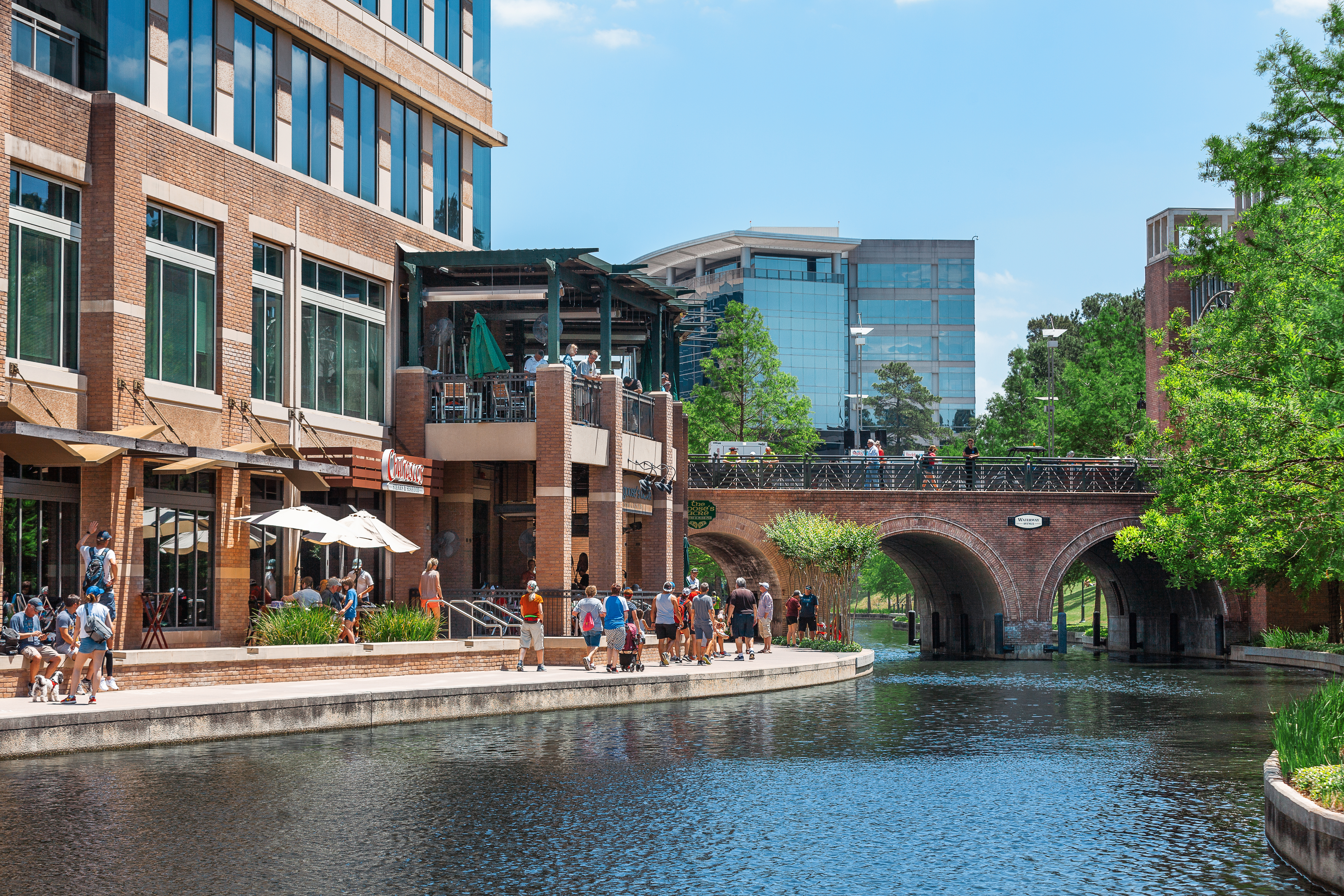
The Woodlands, TX Turf Service Overview
The Woodlands is the product of a specific vision: a master-planned community where residential development and forest preservation coexist on equal terms. George Mitchell's founding principle — that the forest should be protected, not cleared for development — shaped every acre of the community's 28,000-acre footprint. The 25,000 acres of preserved forest, the interconnected trail system, the Spring Creek Greenway, and Lake Woodlands are not amenities that were added later — they were the reason the community was built the way it was.
That design legacy creates a landscaping environment that is genuinely different from the rest of the Houston metro. The nine village communities — Grogan's Mill, Panther Creek, Indian Springs, Cochran's Crossing, Alden Bridge, Sterling Ridge, Creekside Park, College Park, and Carlton Woods — each have their own character, their own covenant standards enforced by the Woodlands Association and each village's community association, and their own Architectural Standards Committee review process for landscaping modifications.
Artificial Grass of The Woodlands exists specifically to serve this environment. We understand the ASC review requirements that apply to different zones within different villages. We know how to plan installations that respect the tree protection covenants that are central to the community's design ethic. We design drainage routing that works with the natural grade of forested lots rather than against it. And we select materials that fit the visual standards the community maintains.
Projects across The Woodlands span every use type — residential front and rear yard conversions under canopy-heavy lots in Grogan's Mill and Panther Creek, putting greens on estate lots in Carlton Woods, pet zones along the trail corridors in Alden Bridge and Indian Springs, commercial frontage at Town Center and Hughes Landing, and common area installations for the HOA village system. Each project starts with the same question: what are the specific site conditions and covenant requirements that govern this particular installation?
Property Types We Serve Across The Woodlands Villages
We plan turf scope around the specific property type, village location, ASC requirements, and site conditions that vary meaningfully across The Woodlands' nine communities.
Residential Homes in ASC Villages
Front yards, rear yards, pool surrounds, and pet zones across all nine villages — with ASC covenant review built into the planning process for each installation zone and village location.
Commercial Office and Retail Properties
Town Center, Hughes Landing, and Research Forest Drive commercial properties where landscape presentation is held to the visual standards the community expects of its commercial corridors.
HOA Common Areas and Village Amenity Facilities
Common area turf installations for the Woodlands Association village system where consistency with community landscape standards is both a design and a governance requirement.
Corporate Campus Grounds
ExxonMobil campus perimeter, Anadarko/Occidental commute-area grounds, and other corporate campus properties where landscape maintenance demand and presentation quality are both priority concerns.
Site Conditions We Plan Around in The Woodlands
The Woodlands has specific environmental and governance conditions that affect every turf installation. We address these at the planning stage rather than discovering them during production.
Loblolly Pine Needle and Canopy Debris
The dense forest canopy across most Woodlands lots produces continuous pine needle, acorn, and leaf fall that affects infill selection, maintenance scheduling, and drainage performance. We factor canopy load into every site-specific recommendation.
Tree Root Protection Zones
Preserved specimen trees throughout The Woodlands have protected root zones that constrain excavation depth and perimeter placement. We design base systems to work within those constraints rather than compromise them.
ASC Covenant Compliance
Architectural Standards Committee requirements vary by village and installation zone. We research the specific requirements for each property before finalizing scope so the installation meets covenant standards from the start.
Clay Subgrade and Drainage Behavior
Montgomery County soils beneath The Woodlands include significant clay content that requires careful drainage engineering to prevent base saturation after the heavy rainfall events that are a regular feature of north Houston weather.
How We Work with Different Property Stakeholders in The Woodlands
Project planning is adjusted for the specific decision-making structure, timeline, and accountability requirements of each stakeholder type.
Village Homeowners
Residential projects are planned around ASC requirements, tree protection constraints, and the homeowner's specific use goals — whether that is a shaded rear yard conversion, a family activity surface, or a front lawn that holds its appearance without irrigation.
HOA Boards and Community Managers
Common area projects require design decisions that satisfy the visual standards of multiple community stakeholders, phasing plans that fit within HOA budget cycles, and documentation that meets association governance requirements.
Commercial Property and Facility Managers
Commercial projects are executed around active property operations with clear milestone communication, phased production that maintains access during installation, and deliverables that meet the presentation standards of The Woodlands commercial corridors.
Corporate Real Estate and Facility Teams
Campus-scale projects for major employers require the same production rigor as commercial work with additional coordination complexity around corporate operations calendars, security access, and multi-stakeholder approval processes.
Scheduling Across The Woodlands
Woodlands-area projects are scheduled around the site-specific conditions that affect production: ASC approval timelines, tree protection requirements that may constrain equipment access, canopy debris conditions that affect base preparation timing, and any property operations constraints for commercial or campus sites. We build schedules that are realistic for the specific property rather than optimistic in ways that create pressure to rush decisions that affect long-term quality.
Areas We Serve in The Woodlands
Our Woodlands service area covers all nine village communities — Grogan's Mill, Panther Creek, Indian Springs, Cochran's Crossing, Alden Bridge, Sterling Ridge, Creekside Park, College Park, and Carlton Woods — along with the Town Center, Hughes Landing, and Waterway commercial zones. We also extend service to Spring, Shenandoah, Conroe, Tomball, Magnolia, Oak Ridge North, Porter, Humble, Cypress, Montgomery, Willis, Pinehurst, Cut and Shoot, and Jersey Village.
Nearby Areas
Services We Offer in The Woodlands
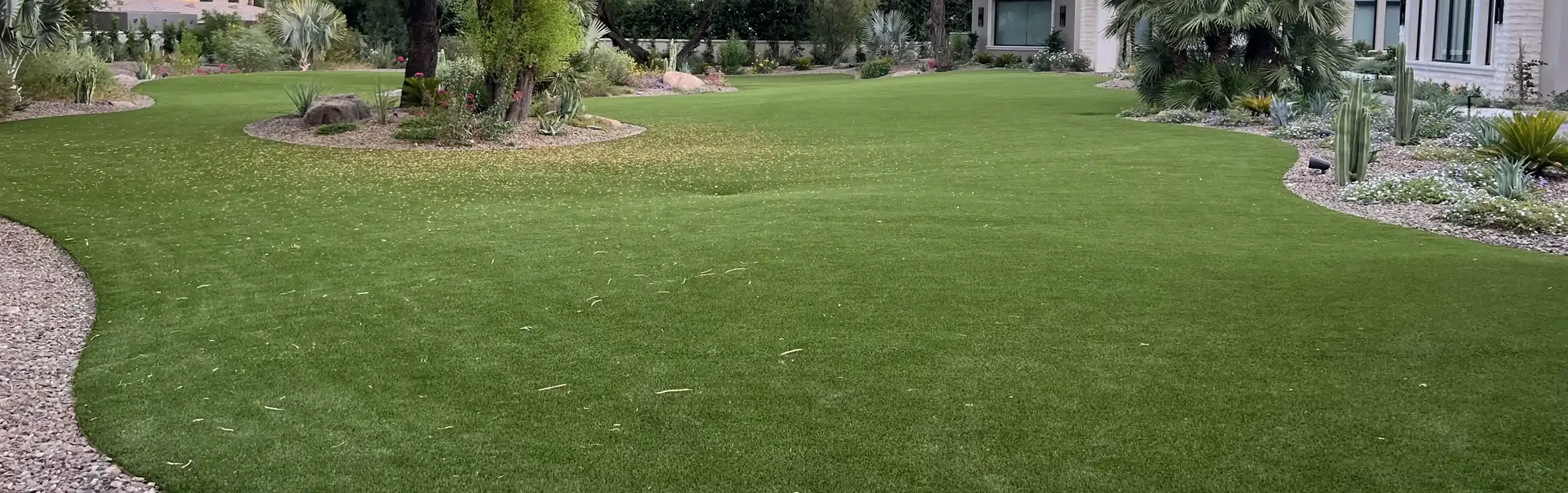
Commercial Artificial Turf Installation
Synthetic turf planning and installation for office, retail, and multi-site commercial properties.
Learn More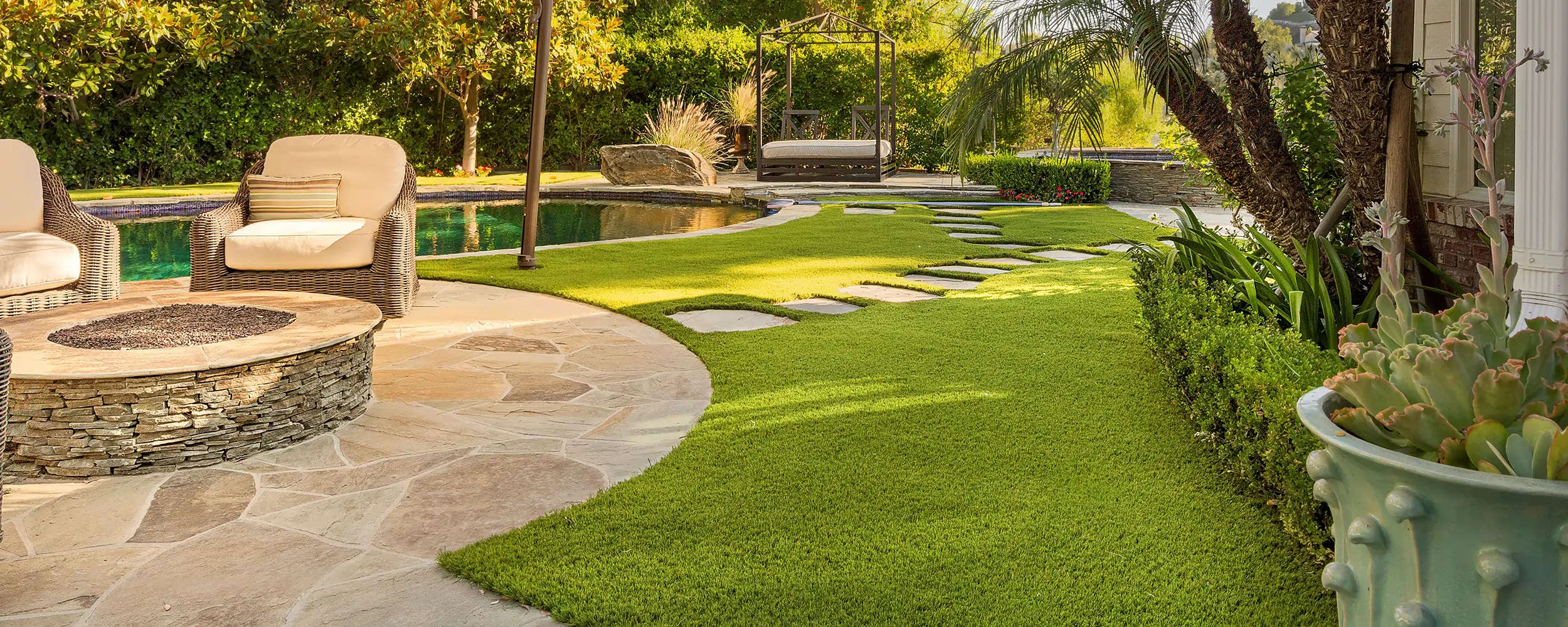
Residential Artificial Turf Installation
Durable landscape turf systems for front yards, backyards, pool zones, and everyday family use.
Learn More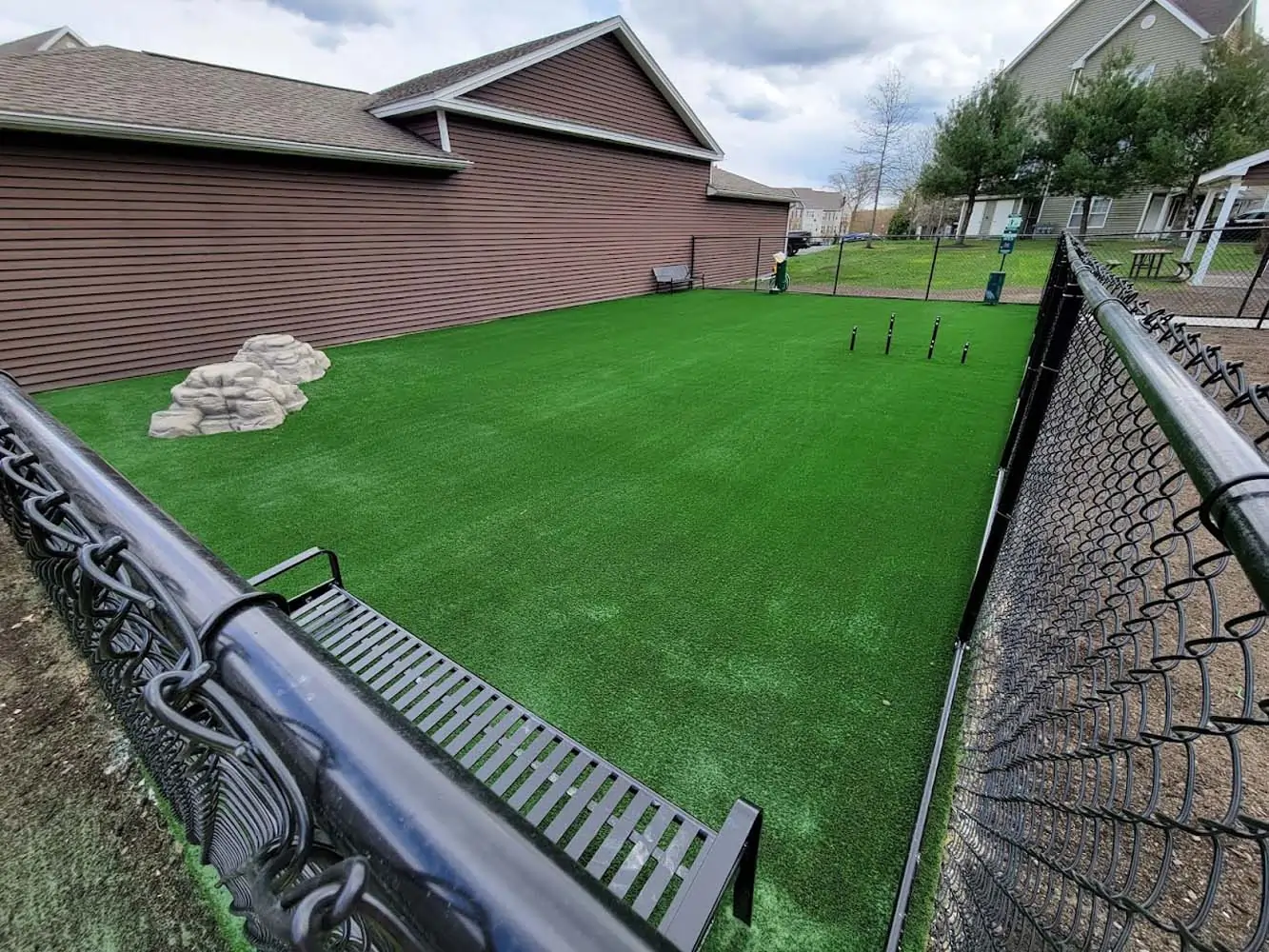
Pet-Friendly Artificial Turf Installation
Pet-focused turf layouts with odor-control planning, rinse-through drainage, and traffic-ready surfaces.
Learn More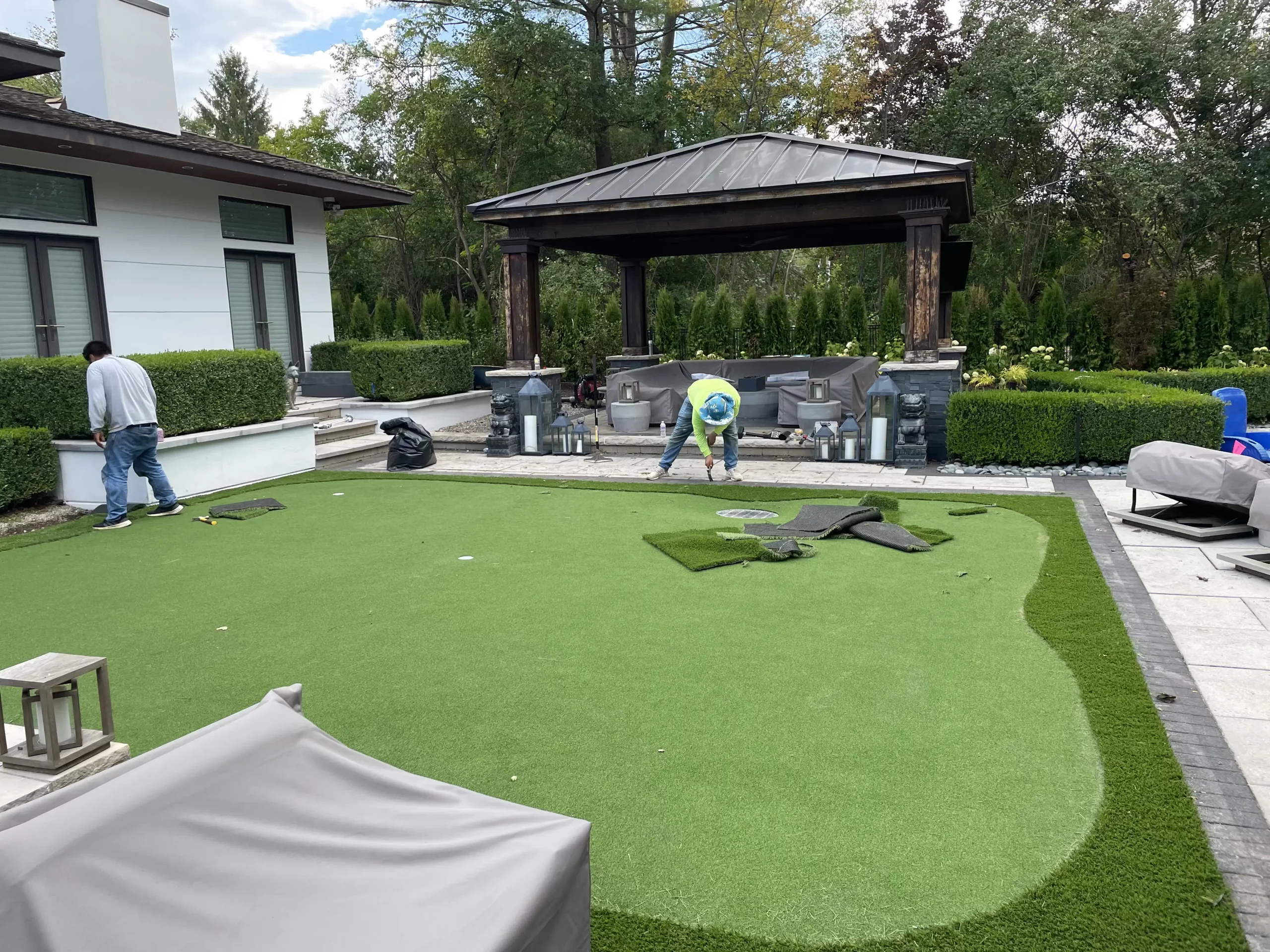
Artificial Putting Green Installation
Custom putting green installations with contour planning, fringe zones, and practical backyard practice flow.
Learn More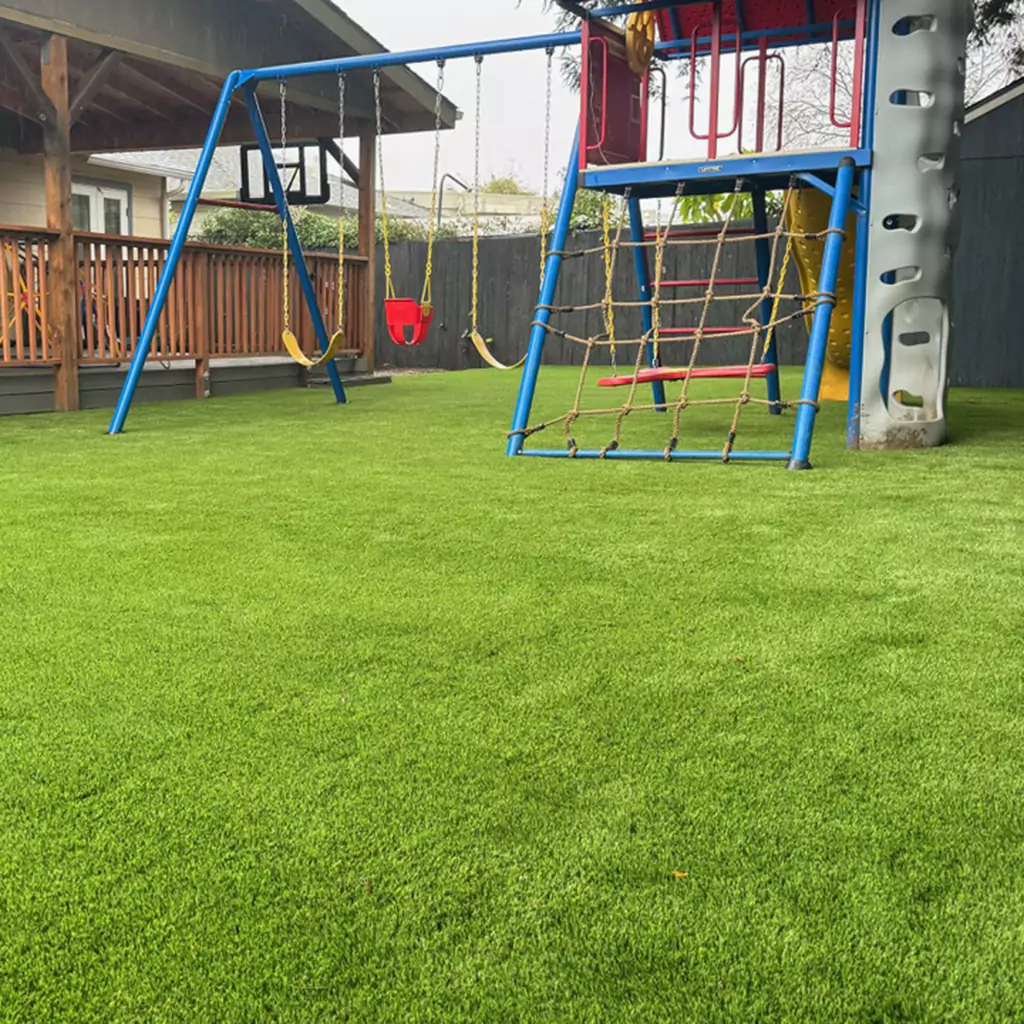
Playground Turf Installation
Impact-conscious playground turf systems designed for school, childcare, HOA, and private play spaces.
Learn More
Turf Design Consultation
Scope planning and design guidance for phased turf projects across residential and commercial properties.
Learn MoreFrequently Asked Questions About Turf in The Woodlands, TX
Do I need ASC approval before installing synthetic turf in The Woodlands?
Requirements vary by village and by where on your lot the installation will be located. Front-yard and street-visible installations are more likely to require ASC review. We research the applicable requirements for your specific village and installation zone as part of our planning process.
How do you handle tree root protection requirements during installation?
Root protection zones are treated as planning constraints that shape base depth, perimeter placement, and excavation approach. We design to work within those constraints, including using hand excavation near root zones when mechanical equipment would create risk.
Can you install turf in a heavily shaded rear yard where grass will not grow?
Shaded rear yards are one of the most common residential applications in The Woodlands specifically because the forest canopy that defines the community creates challenging conditions for live grass. The base engineering for shaded installations addresses the moisture retention differences that shade creates.
Does the pine needle and leaf fall from the canopy affect synthetic turf performance?
Canopy debris accumulates in synthetic turf pile and can reduce drainage performance if not cleared regularly. We factor canopy debris load into infill selection and provide maintenance recommendations specific to your property's canopy exposure.
Do you work with HOA boards for common area installations?
Yes. Common area projects are a regular part of our work across The Woodlands villages. We work with HOA boards and community managers to develop phased plans that meet association budget cycles and Woodlands Association landscape standards.