
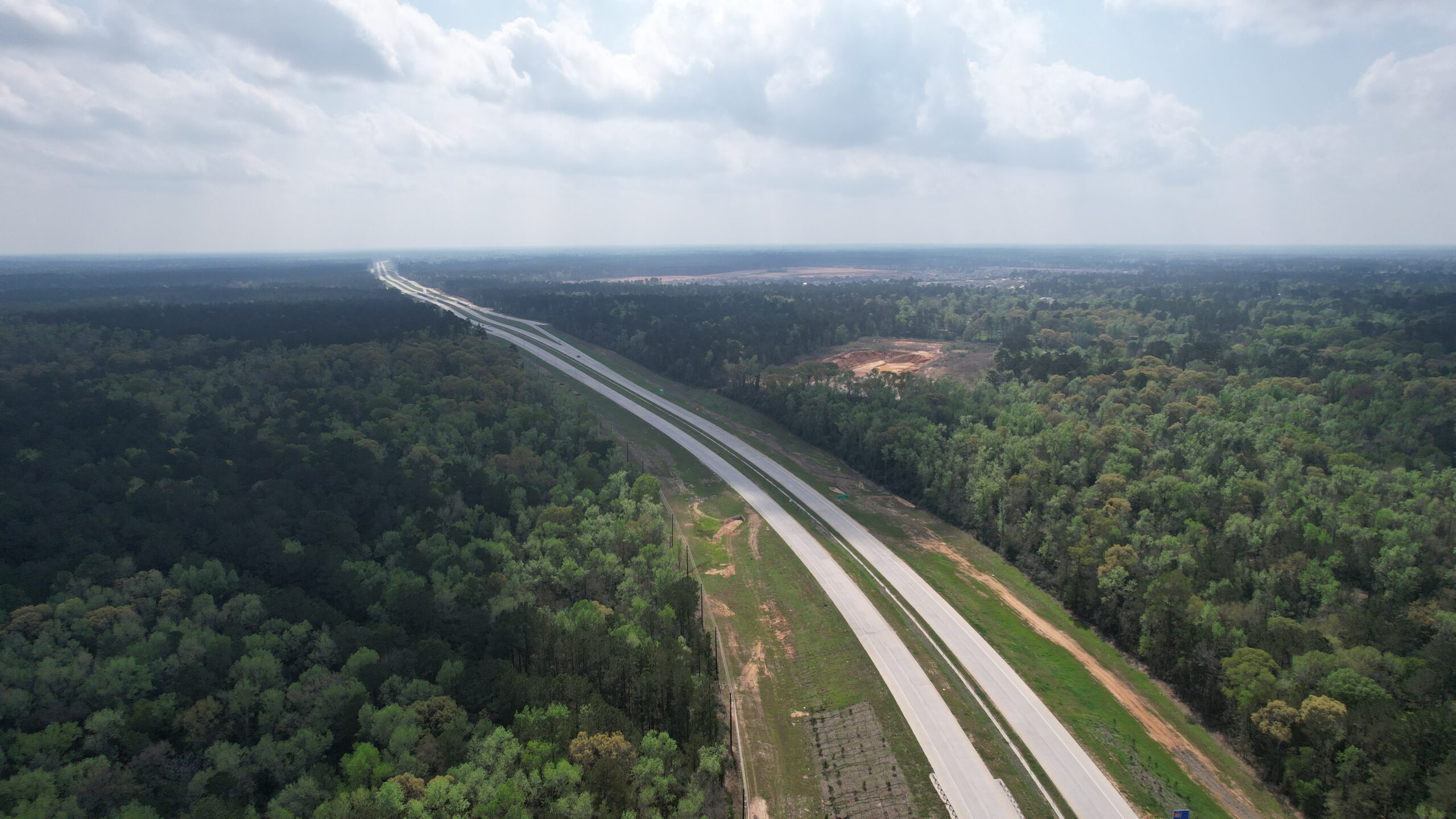
Magnolia, TX Turf Service Overview
Magnolia represents the outer edge of The Woodlands' extended service corridor — a community with a distinct rural-adjacent character that sets it apart from the master-planned density of The Woodlands and the suburban growth corridors of Spring and Tomball. Magnolia's appeal is space: larger lot sizes, acreage properties, an agricultural-residential mix, and a community identity rooted in the west Montgomery County landscape character.
Artificial Grass of The Woodlands serves Magnolia with installations calibrated to those larger-lot conditions. Acreage properties in Magnolia have site conditions that differ meaningfully from suburban residential work — longer access challenges, larger surface areas that require more systematic drainage planning, and natural grade conditions that may not have been engineered through formal subdivision development. Pet zones on acreage lots need to be defined with perimeter planning that works within the broader property landscape rather than against a standard suburban fence line.
Magnolia ISD serves the community and has experienced significant enrollment growth tracking the residential expansion along FM 1488, FM 1774, and SH-249. School facility upgrades — including playground and athletic surface installations — reflect that growth. Magnolia High School and the district's growing campus footprint represent institutional project opportunities in the same category as the Conroe ISD and Tomball ISD work we do in other parts of the service area.
Commercially, Magnolia's FM 1488 and SH-249 corridors have grown significantly as the residential population expanded. Retail, service, and small commercial developments along these corridors are served by the same commercial turf approach we apply across the north corridor — site assessment, drainage engineering, and installation quality that holds up to the commercial presentation standard these corridors have developed.
Property Types We Serve in Magnolia
Magnolia's larger-lot character and Magnolia ISD's growth create a range of residential, institutional, and commercial project types.
Acreage and Large-Lot Residential Properties
Magnolia properties with larger yard areas where pet zones, family activity surfaces, and landscape conversions require more extensive drainage planning and surface area management than suburban residential work.
Newer Subdivisions Along FM 1488 and FM 1774
Growing residential developments in the Magnolia area where suburban-scale installations serve Magnolia ISD families in communities that have developed rapidly over the past decade.
Magnolia ISD School Campuses
Elementary, middle, and high school campuses in the rapidly growing Magnolia ISD where playground surfaces and athletic zone installations support district expansion.
Commercial Properties Along FM 1488 and SH-249
Retail and service commercial properties in the Magnolia commercial corridors where landscape presentation supports growing customer traffic as the local population expands.
Site Conditions We Address in Magnolia
Magnolia's rural-adjacent character and larger lot sizes create site conditions that differ from the suburban residential norm across parts of the service area.
Acreage Property Drainage Complexity
Larger lots in Magnolia often have natural drainage patterns that were not engineered through subdivision development. We assess natural grade and drainage flow before recommending synthetic turf zones and base engineering approach.
Access Challenges on Rural Properties
Acreage properties may have access constraints from long driveways, unpaved surfaces, or limited equipment staging areas that affect installation logistics and material delivery planning.
West Montgomery County Clay and Sand Mix
Magnolia sits at the transition zone between Montgomery County's clay-dominant soils and the sandy loam conditions of eastern Waller County. Soil conditions vary more by property location here than in the more uniform suburban markets to the east.
Rural Residential Privacy Expectations
Magnolia properties with acreage often have different perimeter and visibility considerations than suburban residential installations — affecting where turf zones are located and how edge transitions relate to the broader landscape.
How We Work with Magnolia Property Owners and Managers
Magnolia projects reflect the community's larger-lot, rural-adjacent character and the institutional growth of Magnolia ISD.
Acreage Property Homeowners
Magnolia residents with larger properties who want defined synthetic turf zones — pet areas, family activity surfaces, or landscape conversions — that fit within a larger natural landscape without disrupting the property's rural character.
Magnolia ISD Families in Growing Subdivisions
Families in newer Magnolia-area subdivisions who want practical residential turf that handles the family and pet use demands of Magnolia ISD households.
Magnolia ISD Facilities Staff
District staff managing campus upgrades for a growing school district who need playground and athletic surface installations within institutional scheduling and procurement frameworks.
Magnolia Commercial Property Operators
Retail and commercial property owners along FM 1488 and SH-249 who want landscape maintenance efficiency as their commercial corridors continue to develop.
Scheduling in Magnolia
Magnolia project scheduling accounts for the longer drive distances and access logistics of acreage properties, school calendar constraints for Magnolia ISD installations, and the variable site conditions that require more thorough initial assessment than standard suburban work.
Areas We Serve in Magnolia
Our Magnolia service area covers the city core, FM 1488 and FM 1774 residential corridors, acreage communities, and the SH-249 commercial zone, with connections to Tomball, Pinehurst, Conroe, and Spring.
Nearby Areas
Services We Offer in Magnolia
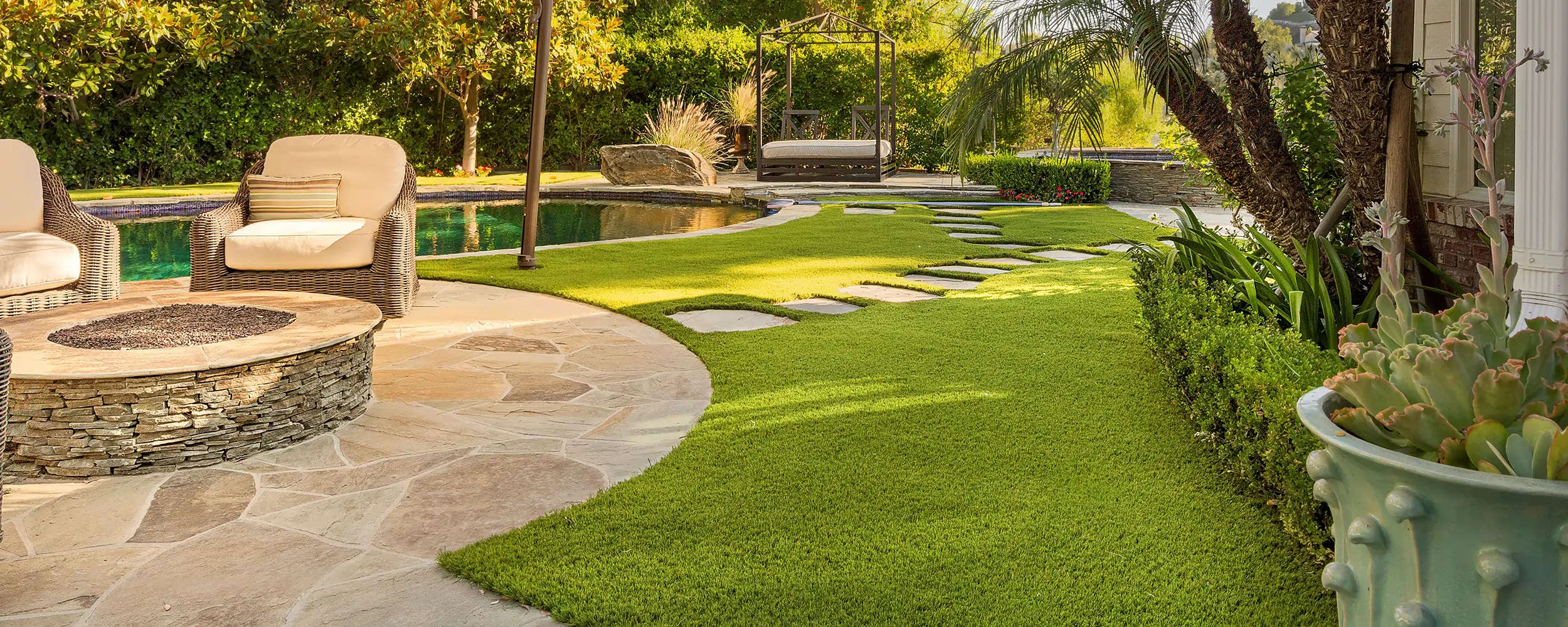
Residential Artificial Turf Installation
Durable landscape turf systems for front yards, backyards, pool zones, and everyday family use.
Learn More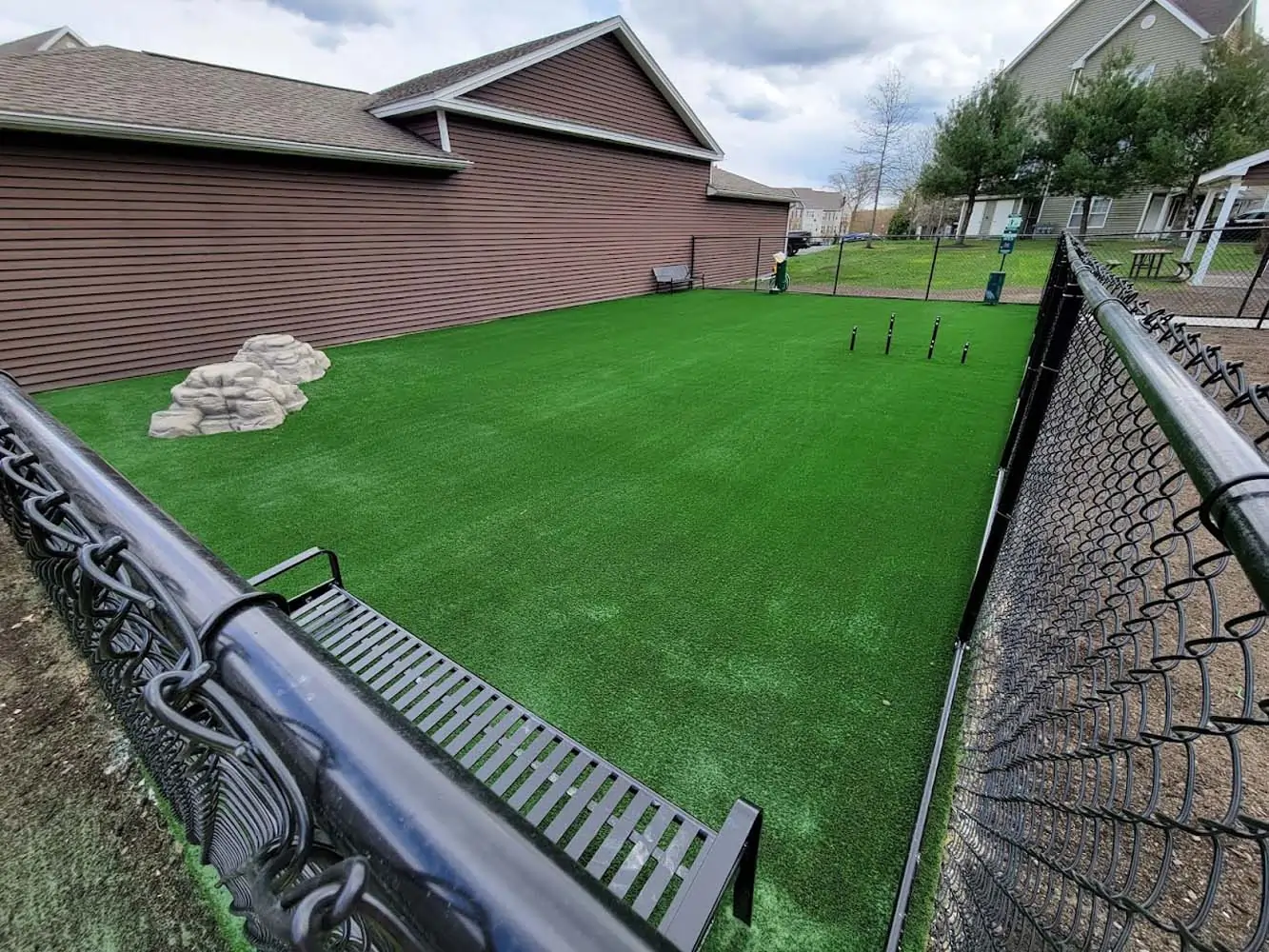
Pet-Friendly Artificial Turf Installation
Pet-focused turf layouts with odor-control planning, rinse-through drainage, and traffic-ready surfaces.
Learn More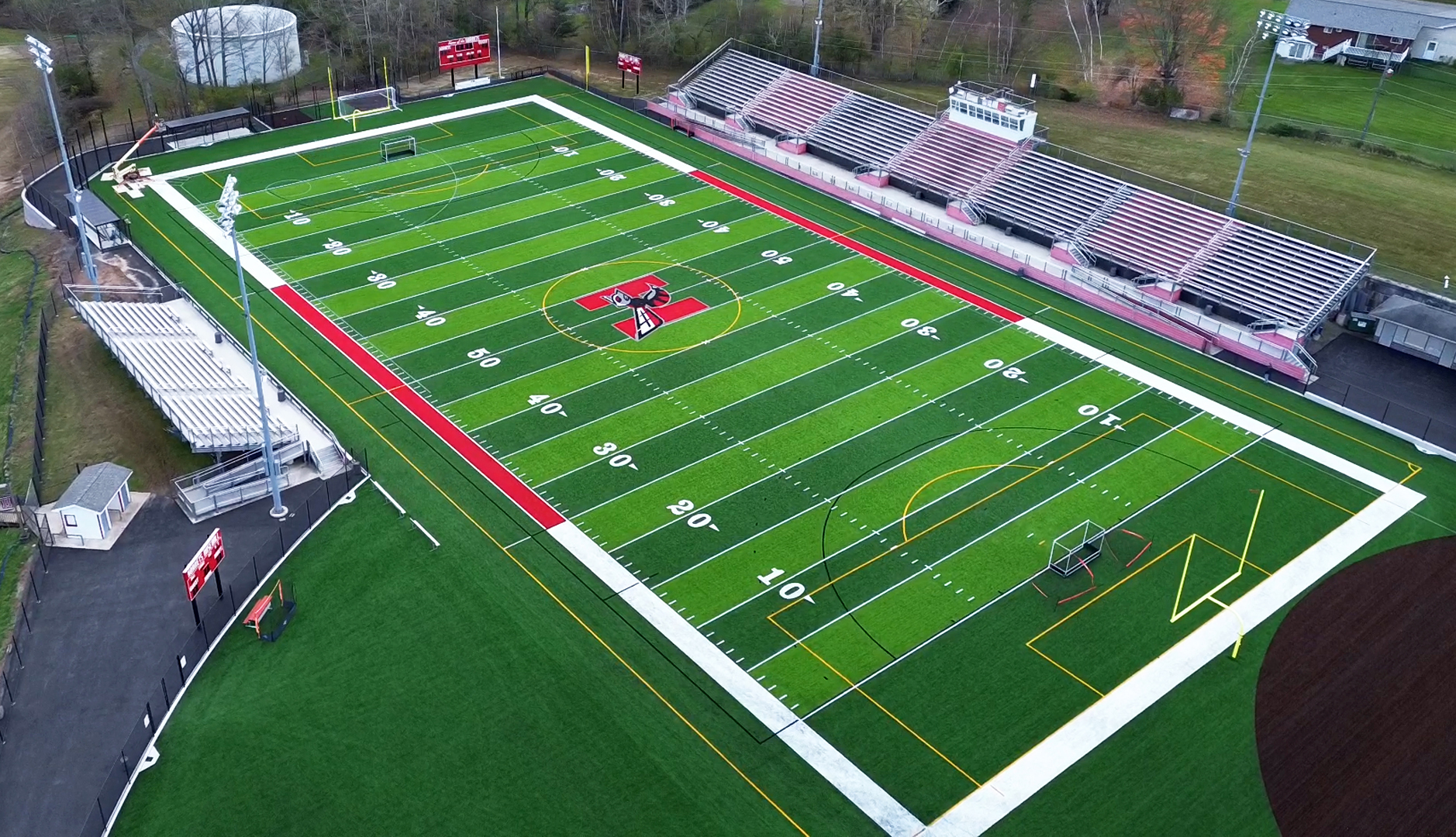
Sports Field Turf Installation
Athletic-use synthetic turf installation for training zones, practice fields, and high-frequency play surfaces.
Learn More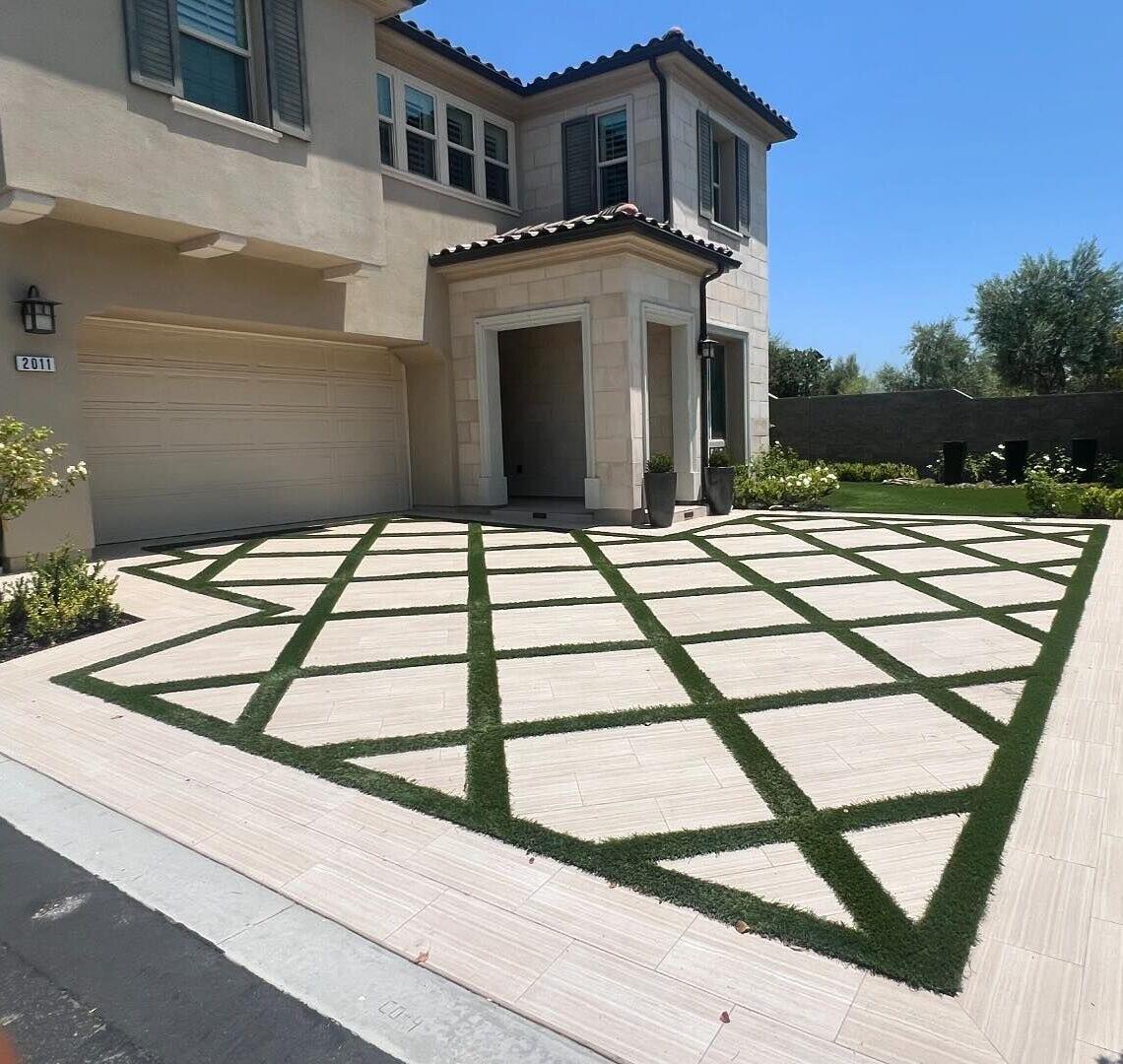
Turf Design Consultation
Scope planning and design guidance for phased turf projects across residential and commercial properties.
Learn More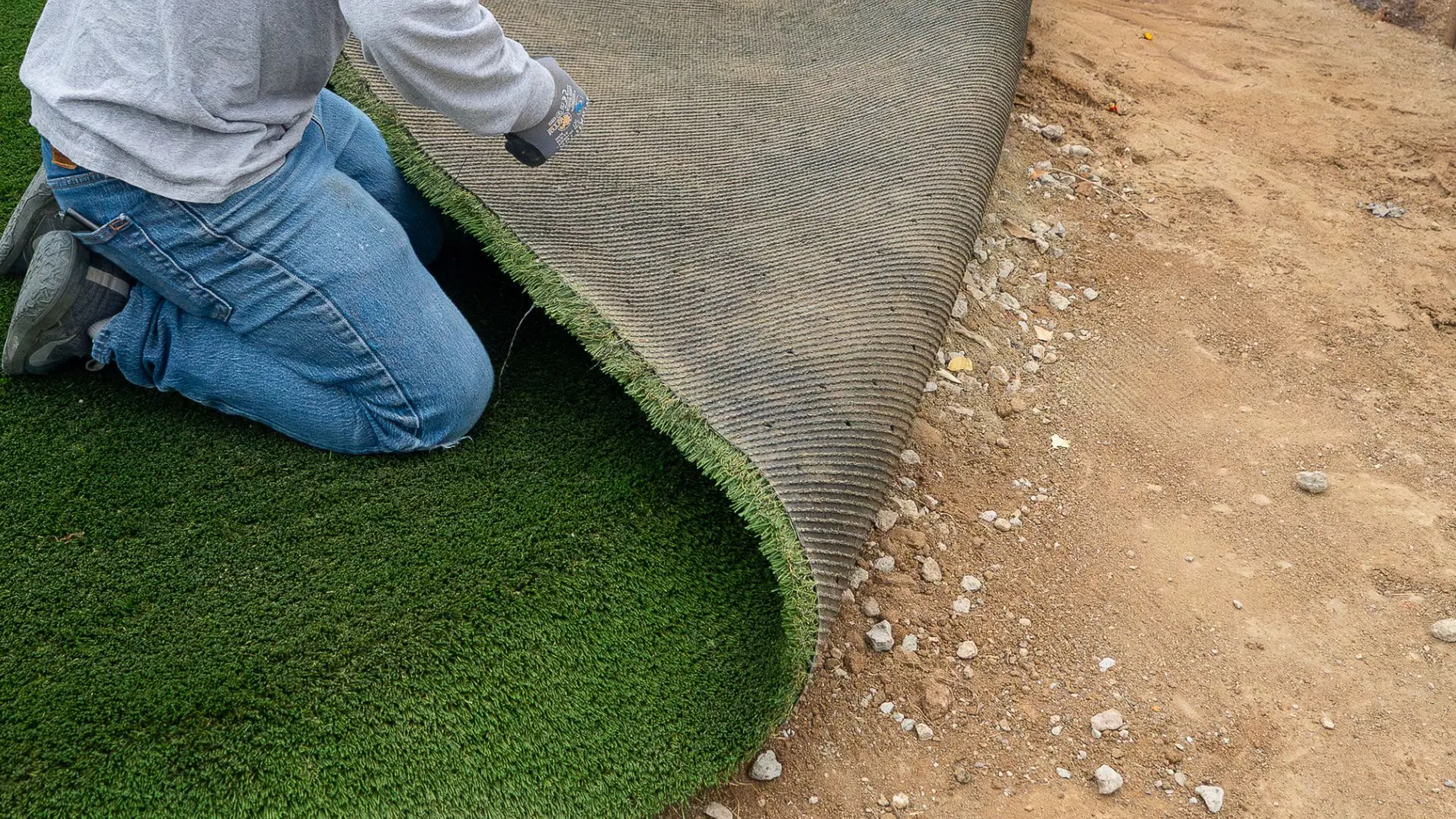
Turf Drainage and Base Corrections
Drainage-focused remediation for puddling, runoff pressure, base instability, and surface pooling problems.
Learn MoreFrequently Asked Questions About Turf in Magnolia, TX
Can you install turf on an acreage property in Magnolia?
Yes. Acreage properties require more thorough site assessment for drainage patterns and access logistics, but they are not fundamentally different from suburban residential work in terms of what we can deliver. We scope each acreage project based on the specific property conditions.
Do you work with Magnolia ISD for school installations?
Yes. Magnolia ISD campus installations are within our institutional project scope. We work with district facilities staff and schedule within the school calendar framework.
How do soil conditions in Magnolia differ from The Woodlands area?
Magnolia sits at a transition zone between Montgomery County clay soils to the east and the sandier loam conditions of western Montgomery and eastern Waller County. Soil conditions are more variable by property location than in the more uniform suburban areas closer to The Woodlands. We assess each site individually.
Can you reach Magnolia properties efficiently from The Woodlands?
Yes. Magnolia is a regular project destination for our crews. The FM 1488 and SH-249 corridors provide direct access and our scheduling accounts for travel time in project planning.
What is the process for a large-scale pet zone installation on a Magnolia acreage property?
We start with a site walk that evaluates the natural drainage patterns across the property, identifies the best zone location based on use requirements and drainage routing, and determines access logistics for equipment and material delivery. The planning is more extensive than a suburban installation but follows the same diagnostic process.